What Is a Mid Fade? A Complete Haircut Guide for Men

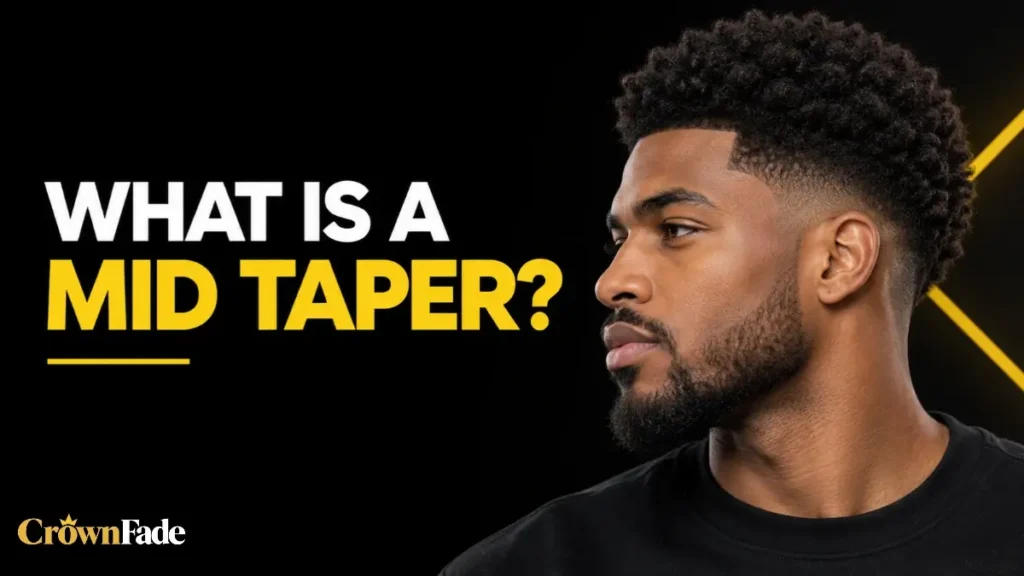
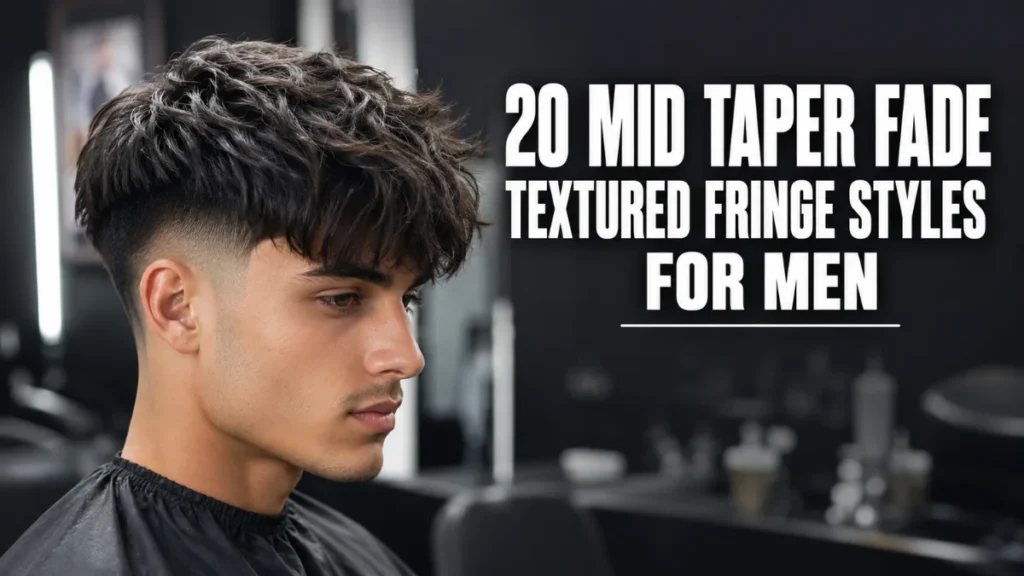
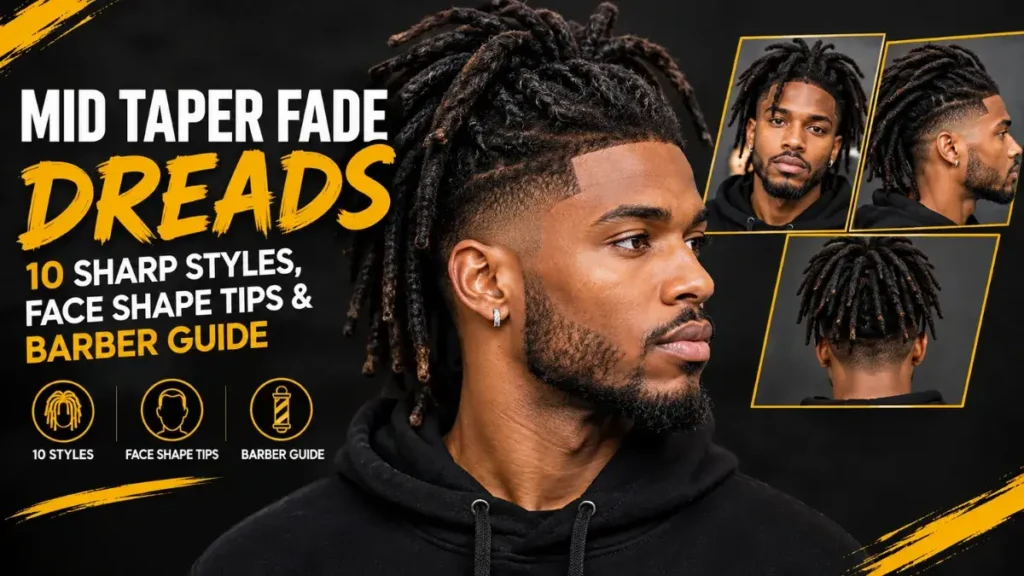
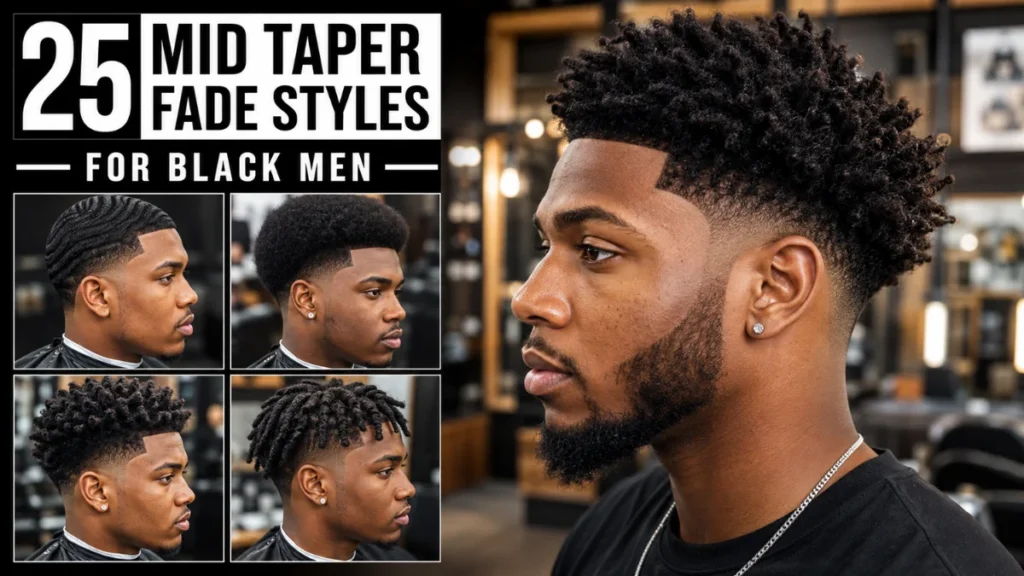
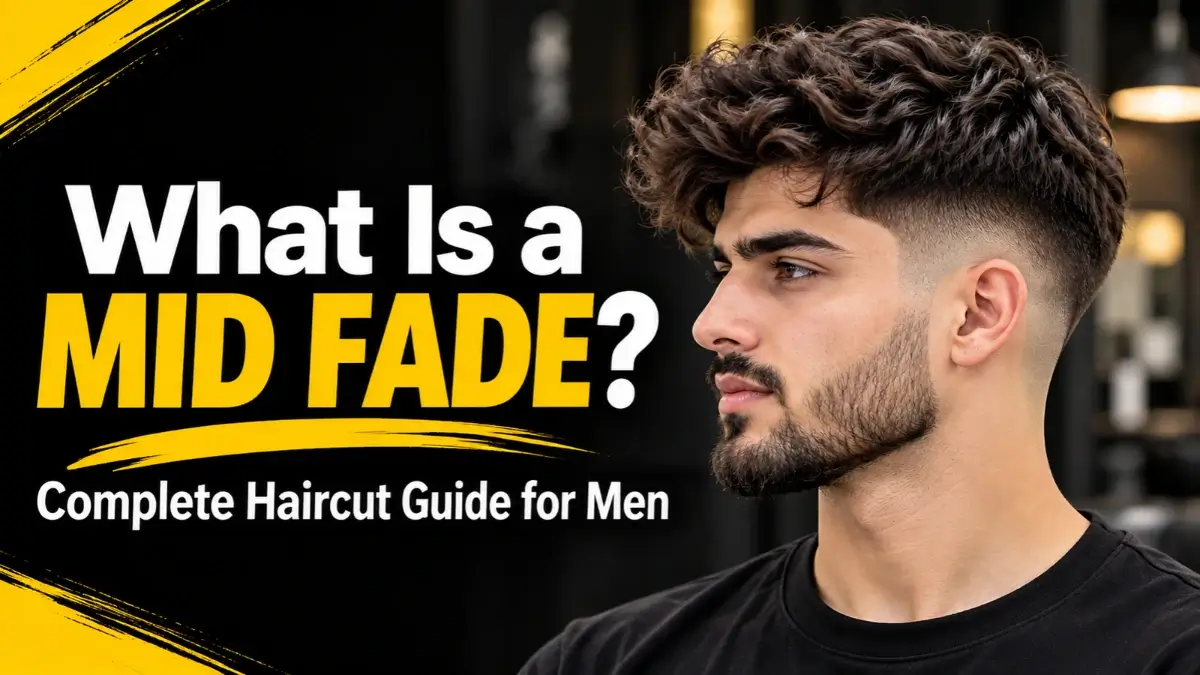
A mid fade is a popular men’s haircut that creates a smooth transition from longer hair on top to shorter sides and back. It starts around the middle of the head, giving the haircut a clean, balanced look without making the sides too short. Whether you prefer a textured crop, curly top, or classic style, a mid fade is easy to customize. You can also combine it with a mid taper fade cut for a softer finish around the temples and neckline.
What Is a Mid Fade Haircut?
The meaning of a mid fade is simple: the fade begins between the temples and ears, around the middle of the head. Your barber gradually blends the hair from longer lengths at the top into shorter lengths toward the sides and back.
Unlike a low fade, which starts closer to the ears and neckline, a mid fade creates a more visible contrast. However, it does not expose as much of the scalp as a high fade. This medium fade haircut is a practical choice for men who want a sharp appearance without making the sides look too short.
Where Does a Mid Fade Start and End?
A mid fade usually starts around the temple area, roughly halfway between the top of the ear and the upper side of the head. From there, the barber blends the hair downward toward the area around the ears and the back of the head.
The exact starting point can vary depending on your head shape and the look you want. You can ask for a skin mid fade if you want the shortest section taken down to the skin, or a shadow fade if you prefer some hair to remain visible.
What Does a Mid Fade Look Like?
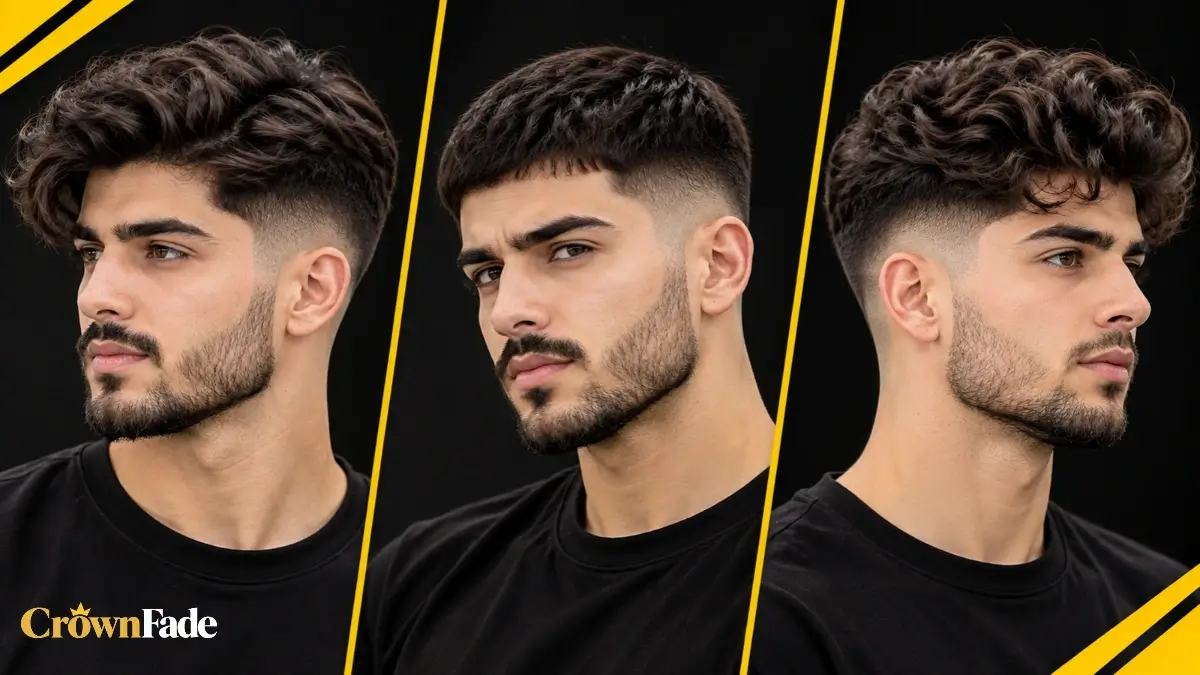
From the front, the cut looks neat and sharp. The sides stay short and neat, while the top retains its length and natural shape. From the side, you will see a smooth gradient that starts near the temple and fades down past the ear.
The style works with many tops. It works well with different styles, including a crew cut, textured crop, quiff, pompadour, or curly hair. The sides stay the same, and the top decides the final personality of the cut.
Mid Fade vs Low Fade
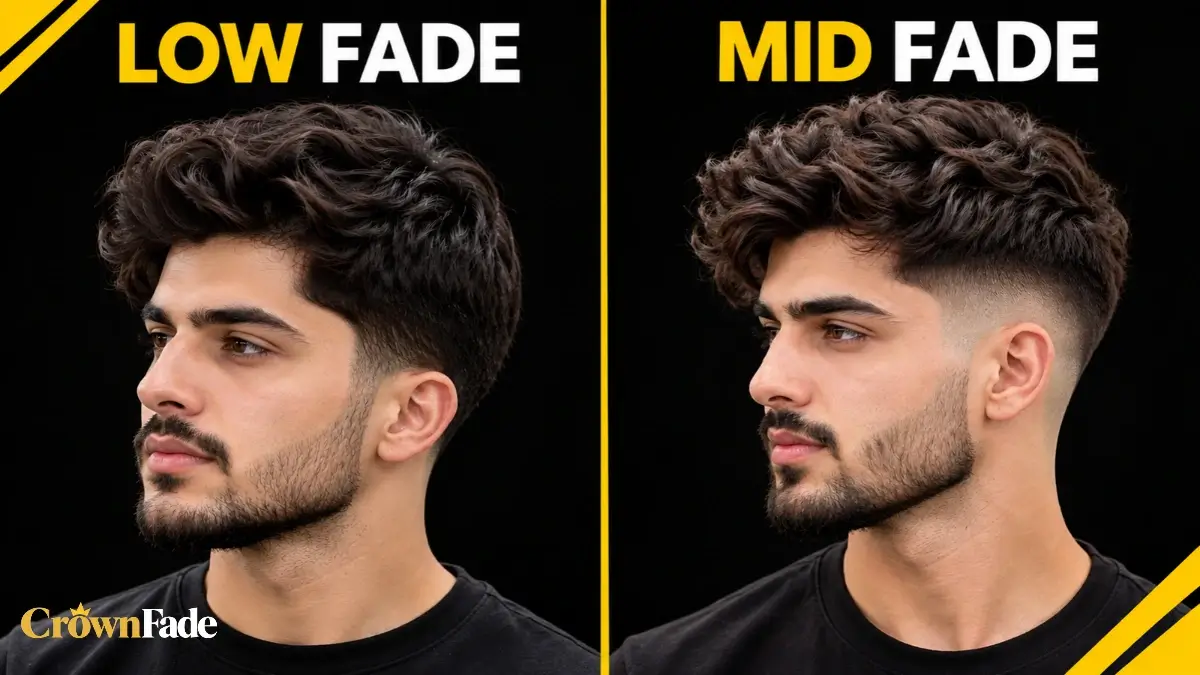
| Feature | Low Fade | Mid Fade |
|---|---|---|
| Starting Point | Begins close to the ears and neckline. | Starts around the middle of the sides. |
| Appearance | Subtle and natural. | More noticeable and defined. |
| Contrast | Creates less contrast between the top and sides. | Creates stronger contrast between the top and sides. |
| Hair Length | Keeps more length around the upper sides. | Removes more bulk from the sides. |
| Best For | Men who prefer a softer, understated look. | Men who want a clean, sharper appearance. |
A low-to-mid fade sits between these two styles. Its blending starts slightly higher than a traditional low fade but lower than a standard mid fade.
Who Should Get a Mid Fade Haircut?
This cut works for most men because it is so flexible. It works well with coily, curly, wavy, and straight hair. It also works for short hair and for guys who like a little length on top.
It is a good choice if you want a fresh look that still feels professional. It also helps if your hair grows thick on the sides, because the fade removes bulk and keeps the shape tidy.
Men with very thin hair on the sides may want to ask for a softer blend. A skin fade can show the scalp, so a longer guard at the bottom might look better. Your barber can guide you here.
Mid Fade for Different Face Shapes
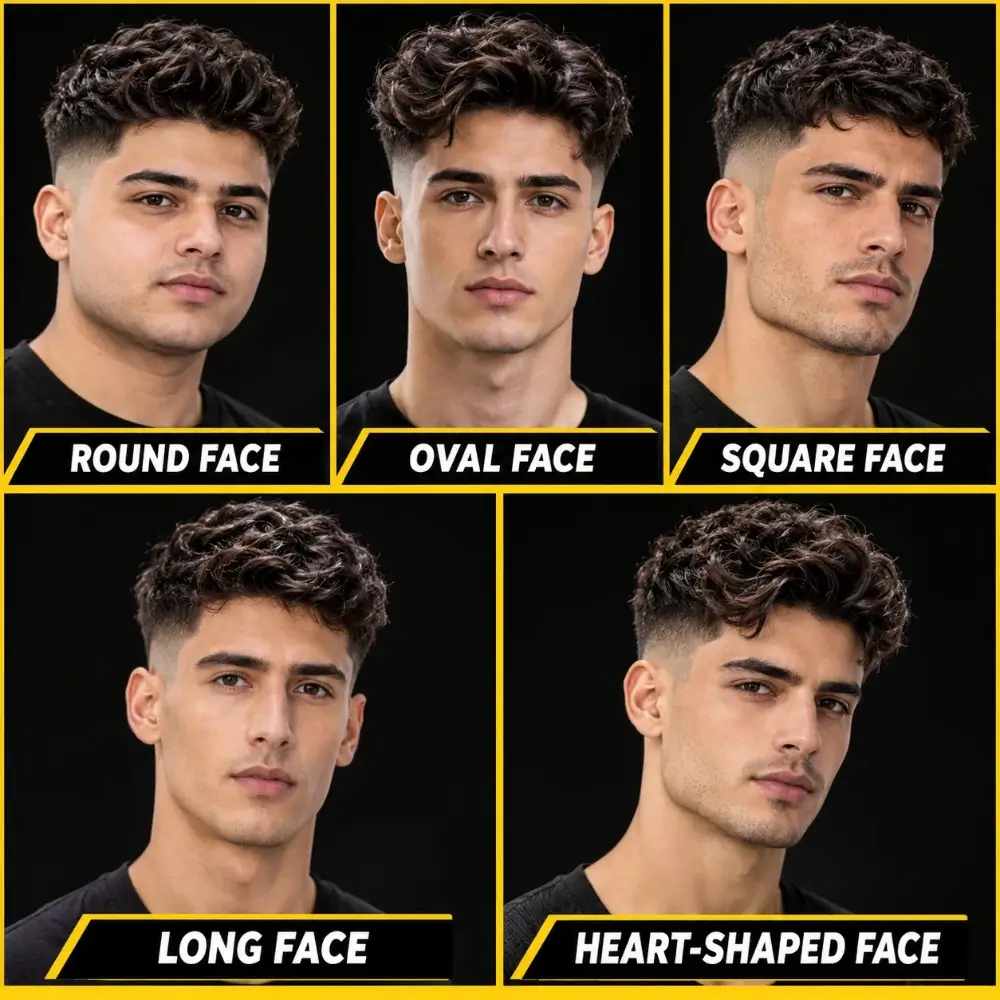
Your face shape can help determine how you should style a mid fade. The fade itself can be adjusted, while the length and volume on top help balance your overall appearance.
- Round face: Keep some height and texture on top to create a more elongated appearance.
- Oval face: Most mid fade styles work well because this face shape suits different hair lengths and proportions.
- Square face: A textured top or short crop can complement strong jawlines without making the haircut look too heavy.
- Long face: Avoid excessive height on top. A balanced hairstyle with moderate volume can help maintain facial proportions.
- Heart-shaped face: A textured or slightly fuller top can create a balanced look without adding too much height.
Your barber can also adjust the fade position to complement your natural head shape.
How to Ask Your Barber for a Mid Fade Haircut?
Clear instructions help your barber understand the exact haircut you want. Instead of simply asking for a fade, explain the starting height, how short you want the sides, and how much length you want to keep on top.
Here are a few things to mention:
- Ask for a mid fade that starts around the middle of the sides.
- Tell your barber whether you want a skin fade, shadow fade, or a fade with some length remaining.
- Describe the amount of hair you wish to maintain on top.
- Tell them whether you prefer a natural hairline or a sharp lineup.
- Show a reference picture if you have a specific style in mind.
You can also mention whether you want a mid taper instead. A mid taper focuses on gradually shortening the hair around the temples and neckline rather than fading the entire sides and back.
Mid Fade Maintenance and Styling Tips
A mid fade looks its best when the transition between hair lengths stays clean. As the hair grows, the blended sections become less defined, so regular barber visits help maintain the shape.
Consider these simple maintenance tips:
- Get regular trims: Visit your barber every two to three weeks if you want to keep the fade looking sharp. Your preferred maintenance schedule may vary with hair growth.
- Wash your hair properly: Use a shampoo suited to your hair type and avoid overwashing.
- Keep the scalp moisturized: Apply a lightweight moisturizer if your scalp feels dry.
- Style the top separately: Use a comb, brush, or your fingers depending on your chosen hairstyle.
- Avoid excessive product: Too much styling product can make the hair look greasy or heavy.
The top may need different styling depending on whether you have straight, wavy, or curly hair.
Common Mistakes to Avoid
Even a well-executed mid fade can look unbalanced if the wrong height or blending technique is used. Avoid these common mistakes when getting your haircut:
- Choosing the wrong fade height: A fade that starts too high or too low may not match the look you want.
- Removing too much length: Cutting the top too short can limit your styling options.
- Ignoring hair growth patterns: Cowlicks and uneven growth can affect how the finished haircut sits.
- Requesting an unclear haircut: Simply saying “make it short” does not tell your barber what type of fade you want.
- Skipping maintenance: Letting the sides grow out too long can make the fade lose its original shape.
Always discuss your preferred length and fade position before your barber starts cutting.
Best Products for a Mid Fade
| Hair Product | Best For | Main Benefit |
|---|---|---|
| Matte Clay | Textured hairstyles | Provides a natural, low-shine finish. |
| Pomade | Slicked-back hairstyles | Offers control and a smoother finish. |
| Hair Wax | Short and medium-length hair | Helps shape and hold the hairstyle. |
| Styling Cream | Soft, natural hairstyles | Adds light control and natural movement. |
| Leave-in Conditioner | Curly or dry hair | Helps moisturize hair and improve manageability. |
Styling Tip: Start with a small amount of product and add more if needed. Applying too much product can leave your hair looking oily and make it feel heavy.
Pros and Cons of a Mid Fade Haircut
Like any haircut, a mid fade has advantages and a few limitations. Understanding both can help you decide whether it suits your routine and preferred appearance.
Pros:
- Creates a clean and balanced appearance.
- Works with different hair textures and lengths.
- Pairs well with many hairstyles.
- Removes excess bulk from the sides.
- Provides greater contrast than a low fade without reaching the same height as a high fade.
Cons:
- Requires regular barber visits to maintain its shape.
- The blending may look less defined as the hair grows.
- An unsuitable fade height can affect the overall appearance.
- A skin mid fade might need regular trims to keep its clean and sharp appearance.
FAQ
Is a Mid Fade the Same as a Taper?
No, but they are close. A mid taper typically preserves some length at the sides while gently shortening the hair. A fade is significantly shorter, usually to the skin, and the transition from long to short is more noticeable.
How long does it take to grow out a mid fade?
For most men, it takes two to three months for the sides to grow to an even length because hair typically grows half an inch every month. You can estimate your own timeline with our hair growth calculator, and a quick trim in the middle stage will even out the messy blend.
Is a Mid Fade Professional?
Yes, a mid fade can look professional when it is clean, well-blended, and paired with a suitable hairstyle. A neat top with a controlled finish makes it appropriate for many workplaces.
Can I get a mid-fade if I have a double crown?
Yes, you can. A double crown makes the hair on top swirl in two directions, so ask your barber to leave a little extra length there. The weight helps the hair lie flat. The sides can still be faded as usual.
Is a mid fade suitable for hot or humid weather?
It is a great choice in hot weather. The short sides let air reach your scalp, which feels cooler. You can also keep the top shorter in summer for even more comfort.
What is the average price of a mid fade haircut?
Prices change by city and shop. In many places, it costs between $20 and $50, and high-end barbershops may charge more. Add a little extra for a beard trim or a detailed design.
Conclusion
A mid fade is a versatile men’s haircut that features shorter hair on the sides and longer hair on top. Its balanced starting height makes it a good option for men who want more definition than a low fade without choosing an extremely high fade.
Whether you prefer a textured crop, curly top, or slicked-back style, you can adjust the mid fade to match your hair type and personal preference. Discuss the fade height, top length, and finish with your barber to get a result that suits you.