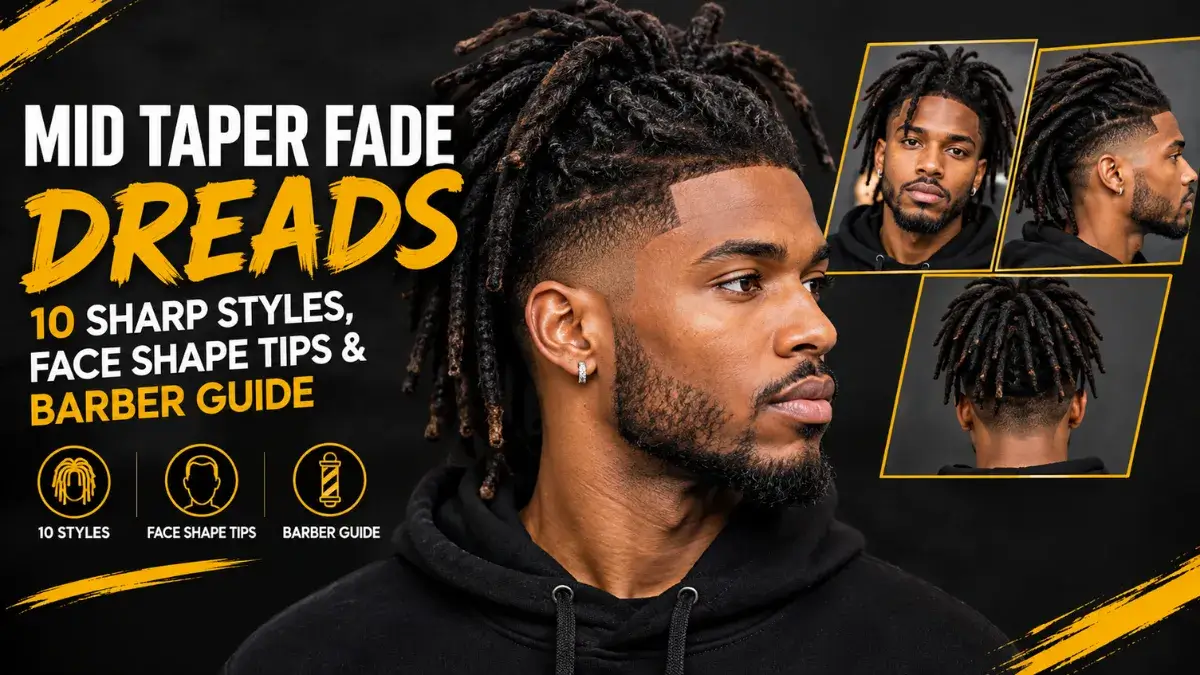
Mid Taper Fade Dreads: 10 Sharp Styles, Face Shape Tips & Barber Guide

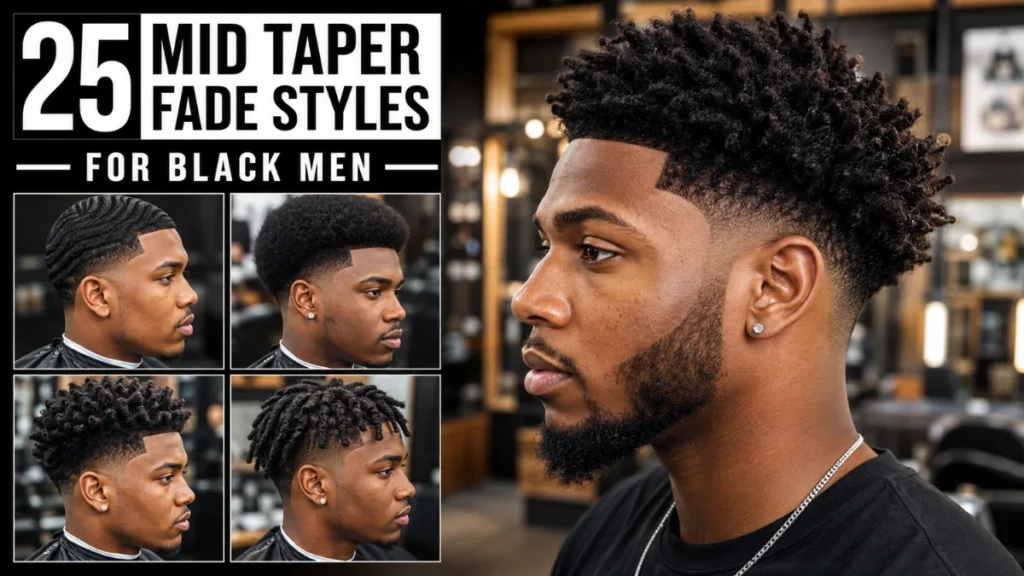
A mid taper fade dreads pair features full, intact locs on top with a clean, gradual cut on the sides and back. It has become one of the most requested loc hairstyles for black men because the sides look sharp while the locs keep every inch of length. This guide explains how the cut works, which styles are worth considering, how face shape changes the choice, and how to keep the look fresh between barber visits. The taper suits short dreads, long dreads, and starter locs alike.
What Is a Mid Taper Fade with Dreads?
A mid taper fade with dreads is a haircut that gradually shortens the hair around the temples and the back of the neck, while leaving the locs on top largely intact. Unlike a full fade that extends around the entire side of the head, a taper usually focuses on smaller areas near the sideburns and neckline.
The cut works well with different loc lengths and textures. Short dreads create a compact, tidy appearance, while longer locs add movement and more styling options. A clean edge-up can make the haircut look sharper, but it is optional if you prefer a softer, more natural hairline.
For black men who wear locs, this haircut offers a way to keep the sides neat without giving up the volume or individuality of their natural hairstyle. It also works with traditional locs, starter locs, and some freeform styles, provided the taper suits the way the hair grows.
Where does the “mid” taper start?
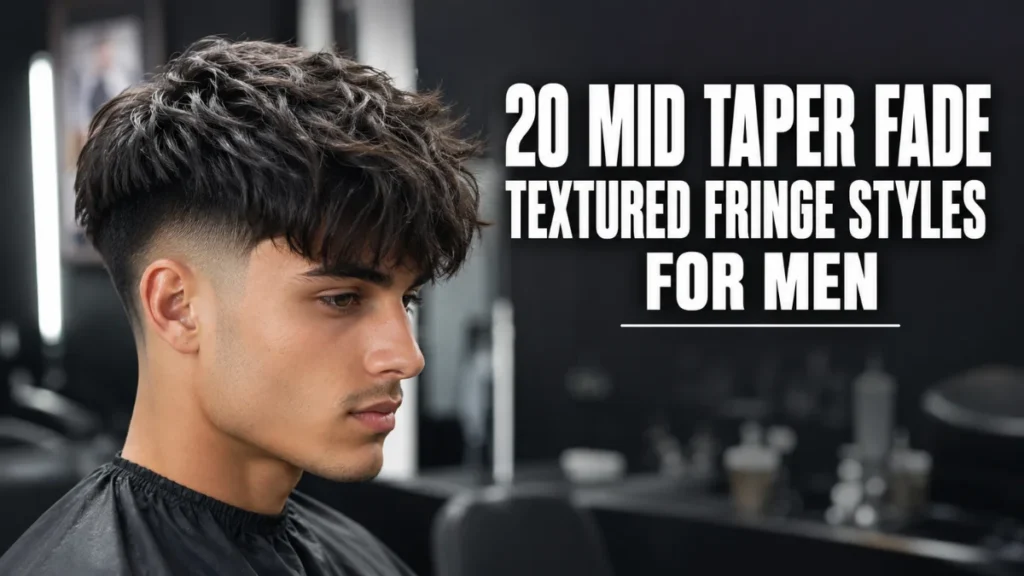
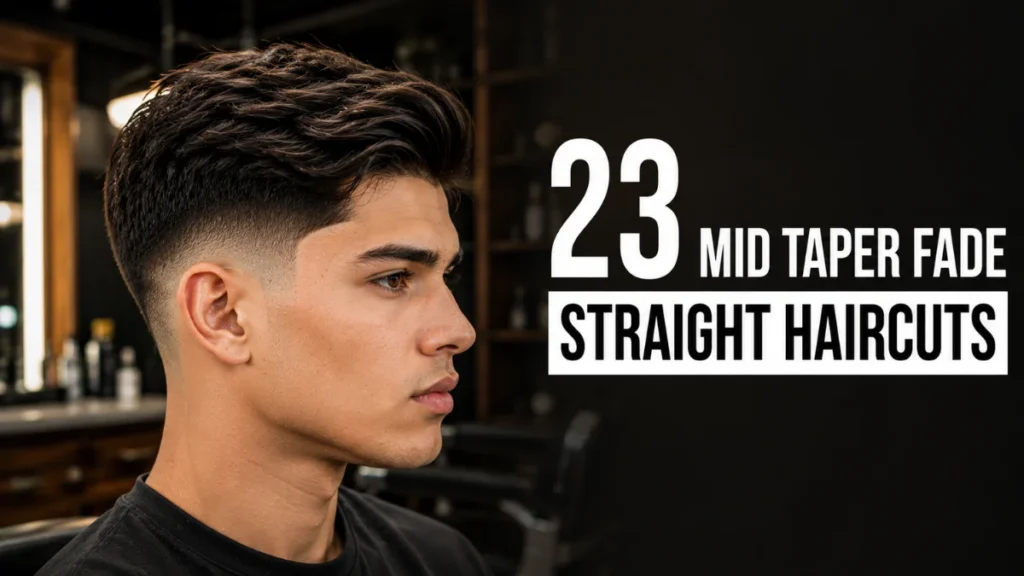
The mid taper starts around the temple, roughly level with the top of the ear. A low taper stays close to the ear and the neckline, and a high taper climbs toward the crown area. The mid version sits between the two, which is why it feels balanced on most head shapes.
Your barber may move the starting point up or down by about a finger’s width. The right spot depends on your head shape, your hairline, and where your locs begin to grow. A good barber checks this before touching the clippers.
How Does the Mid Taper Fade Work?
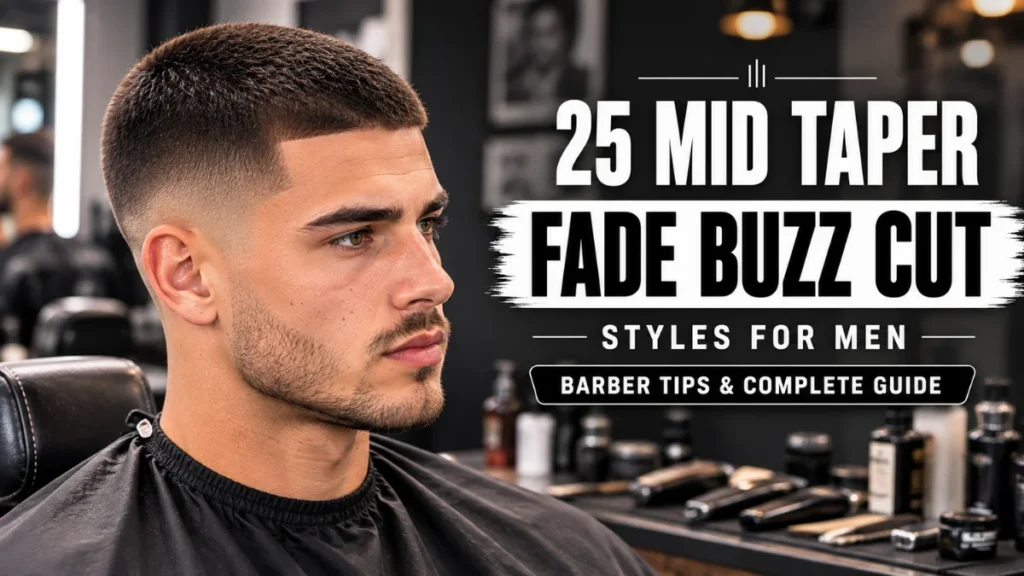
The barber first sections your locs and clips them up and away from the sides, which keeps them out of the clipper path. Then the sides and back are cut with clippers using different guard lengths. The shortest setting goes at the bottom, near the sideburns and neckline, and the guards get longer as the cut moves up toward the midpoint of the head.
The key skill is blending. The barber moves between guard lengths and softens the lines so the hair changes length without a visible step. Many barbers work roughly from a bare or zero-guard finish at the bottom up to a number two or three at the top of the taper, though this varies by hair density and preference.
The locs themselves are not cut. The barber makes sure to leave a clear line between the base of your locs and your short hair, and the fade stops where the loc zone starts. A tidy line-up on the forehead and temples usually finishes the job.
Is a mid taper fade right for your locs?
A mid taper fade works with most loc styles. How well it works for you comes down to how developed your locs are and how much of the edge hair you want to keep.
Consider this haircut if you:
- Want a cleaner appearance around the temples and neckline.
- Prefer to maintain the volume and length of your locs.
- Like the contrast between textured hair and neatly blended sides.
- Want a haircut that works with casual clothing, professional outfits, and different beard styles.
- Prefer a defined shape without committing to a full side fade.
You may need a more conservative cut if your locs are newly forming, your temples are naturally sparse, or your roots are under tension from tight styling. A taper cannot correct thinning at the roots, and cutting the sides too high may make existing areas of low density more noticeable.
If you are unsure, start with a subtle taper. You can always ask your barber to make the blend slightly higher during a future appointment, but growing back hair that has been cut too far takes time.
Top 10 Mid Taper Fade Dreads Styles For Black Men
Which mid taper fade dreads style suits you comes down to three things: your loc length, how you usually wear them, and how sharp you want your hairline to look. These 10 options offer different looks without requiring you to change your entire loc routine.
1. Mid Taper Fade Short Dreads
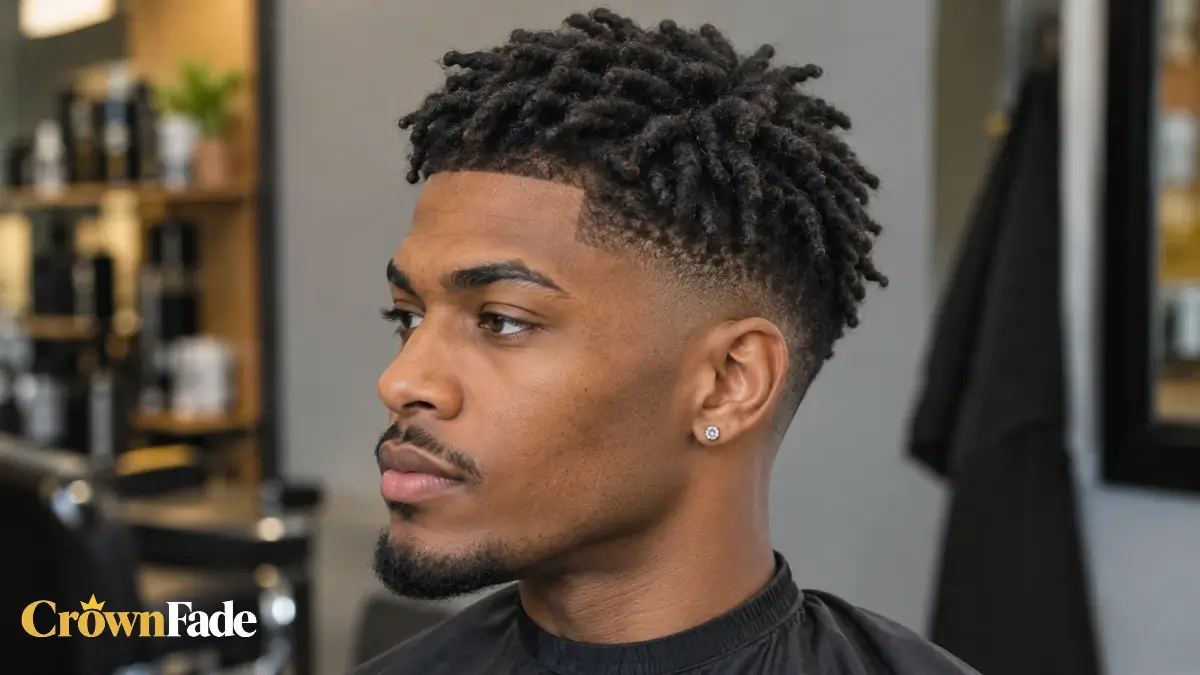
Short dreads with a mid taper create a compact haircut with a neat outline. The shorter locs keep the overall shape easy to manage, while the tapered temples add definition. If you want a neat look without compromising the texture of your locs, this is a sensible option.
Best for: Short locs, active lifestyles, and low-fuss daily styling.
2. Mid Taper Fade Long Dreads
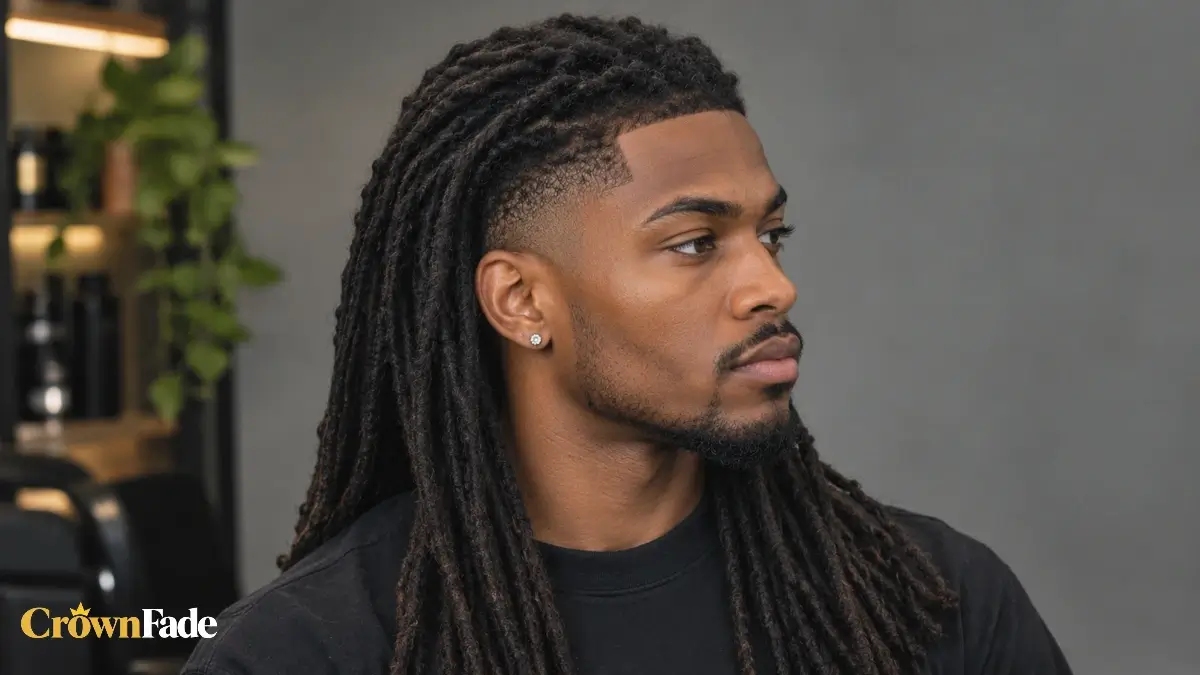
Long dreads create movement and contrast against closely tapered edges. You can wear them loose, pull them into a ponytail, or tie them into a bun when you need them out of the way. Tell your barber to keep your loc length and not to cut any locs that sit near the temples.
Best for: Mature locs and men who want several styling options.
3. Mid Taper Fade Starter Locs
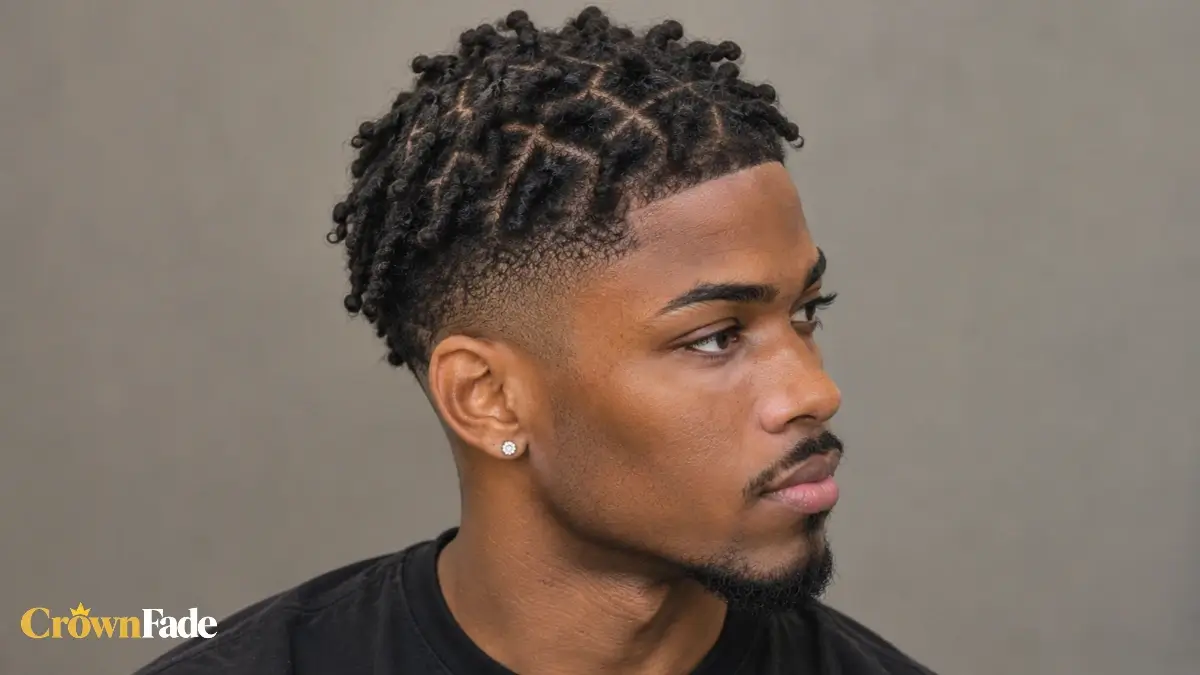
Starter locs are still developing, so a conservative taper helps keep the sides neat without disturbing the new sections. The top may feature short coils, twists, or early loc formations. Avoid pulling the roots tightly just to create a more defined shape.
Best for: Men beginning their loc journey who want a clean perimeter.
4. Mid Taper Fade Freeform Dreads
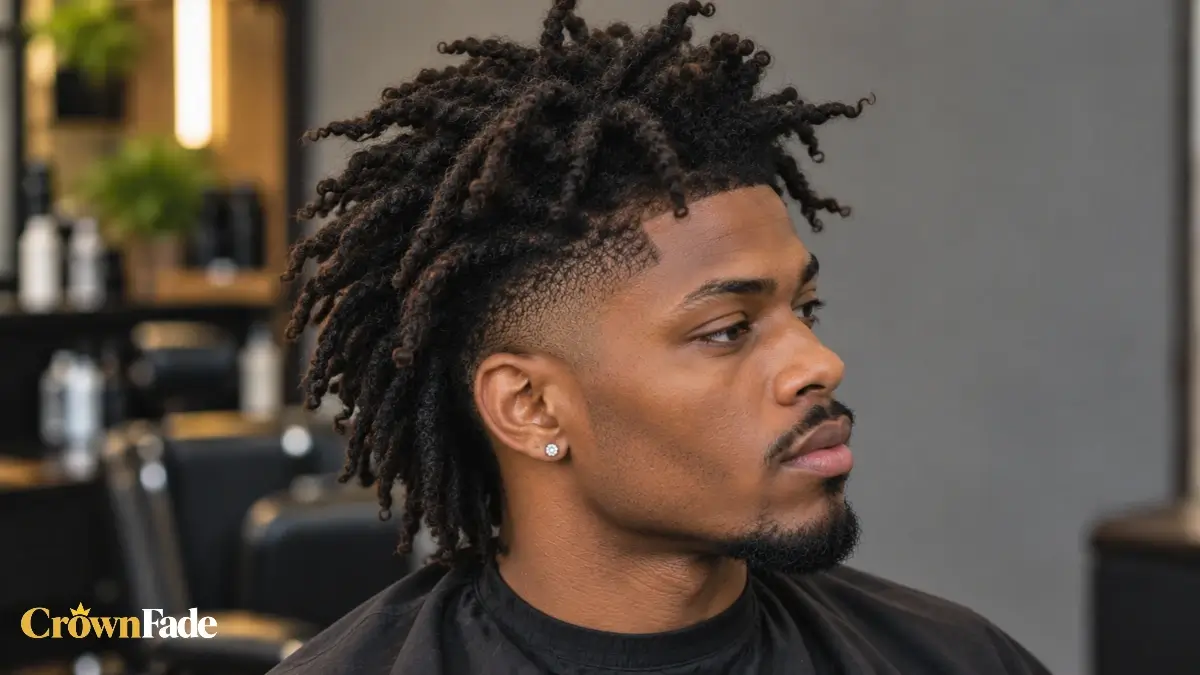
Freeform dreads develop with less deliberate sectioning and manipulation than traditional maintained locs. A subtle taper creates contrast while allowing the top to retain its irregular shape and natural volume. Keep the outline restrained if you want the style to look less structured.
Best for: Men who prefer organic loc shapes and a relaxed finish.
5. Mid Taper Fade Two-Strand Twist Dreads
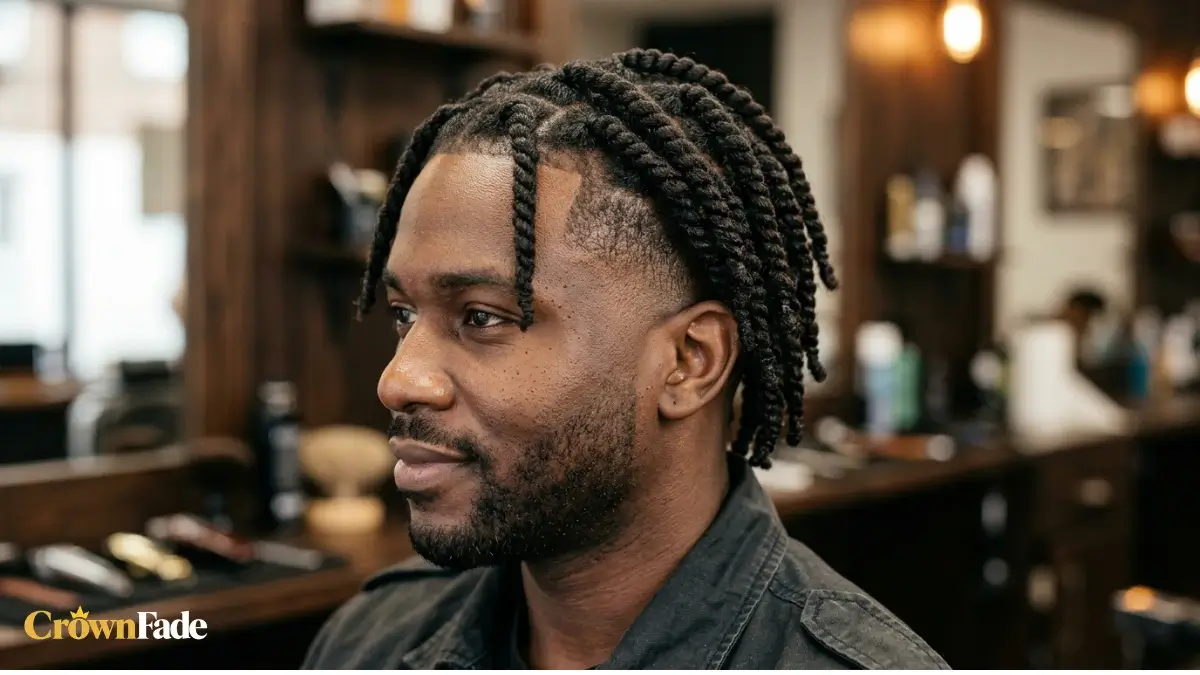
Two-strand twists can be worn as a style in their own right or used as part of a loc-forming routine. Combined with a mid taper, they give the top a defined, textured appearance. Keep the twists comfortable at the roots; tight twisting can contribute to breakage and traction-related hair loss.
Best for: Men who like defined sections and a textured finish.
6. Mid Taper Fade Barrel Twist Dreads
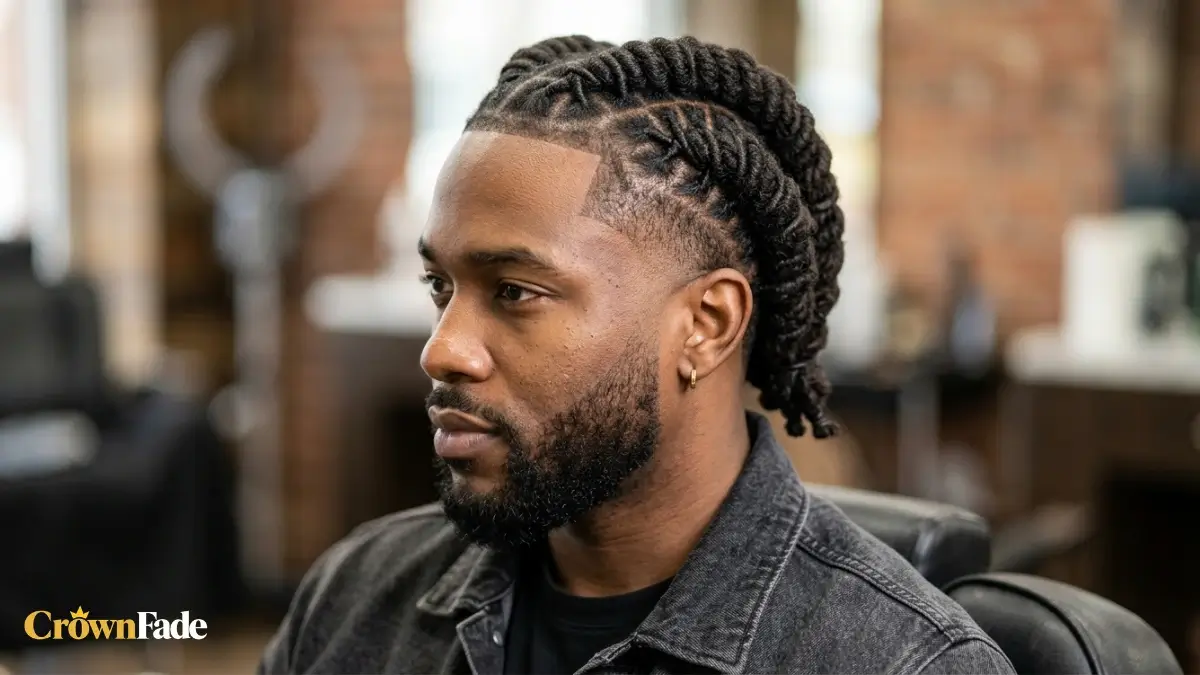
Barrel twists gather locs into larger sections that are wrapped or arranged close to the head. The tapered edges keep the perimeter neat while the twists provide a more structured appearance. Because this style can place tension on the scalp, ask for a comfortable arrangement rather than an excessively tight finish.
Best for: Medium or long locs that can be gathered into sections.
7. Mid Taper Fade Curly Dreads
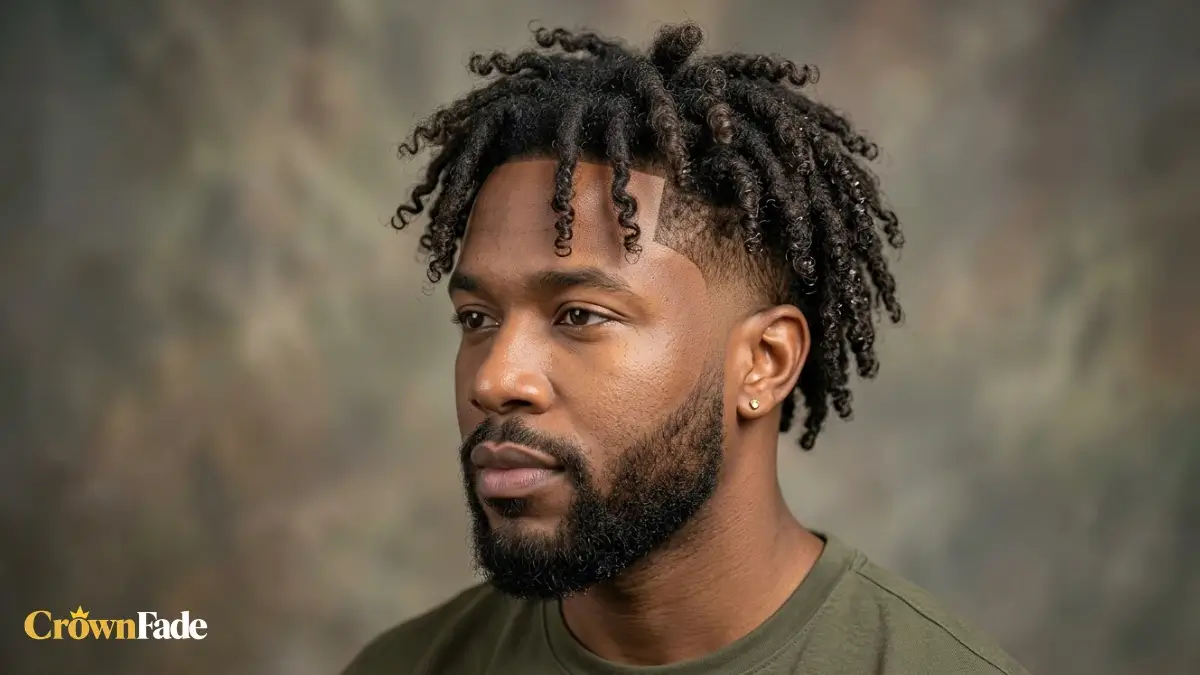
Curly ends give locs a softer appearance and add visible texture to the top. The contrast between the curls and the clean taper works especially well when you want a less uniform finish. Use lightweight products that do not leave heavy residue, and avoid brushing or twisting the locs excessively.
Best for: Locs with naturally curly ends or a textured finish.
Read More: 20 Mid Taper Fade Curly Hair Styles for Men
8. Mid Taper Fade High-Top Dreads
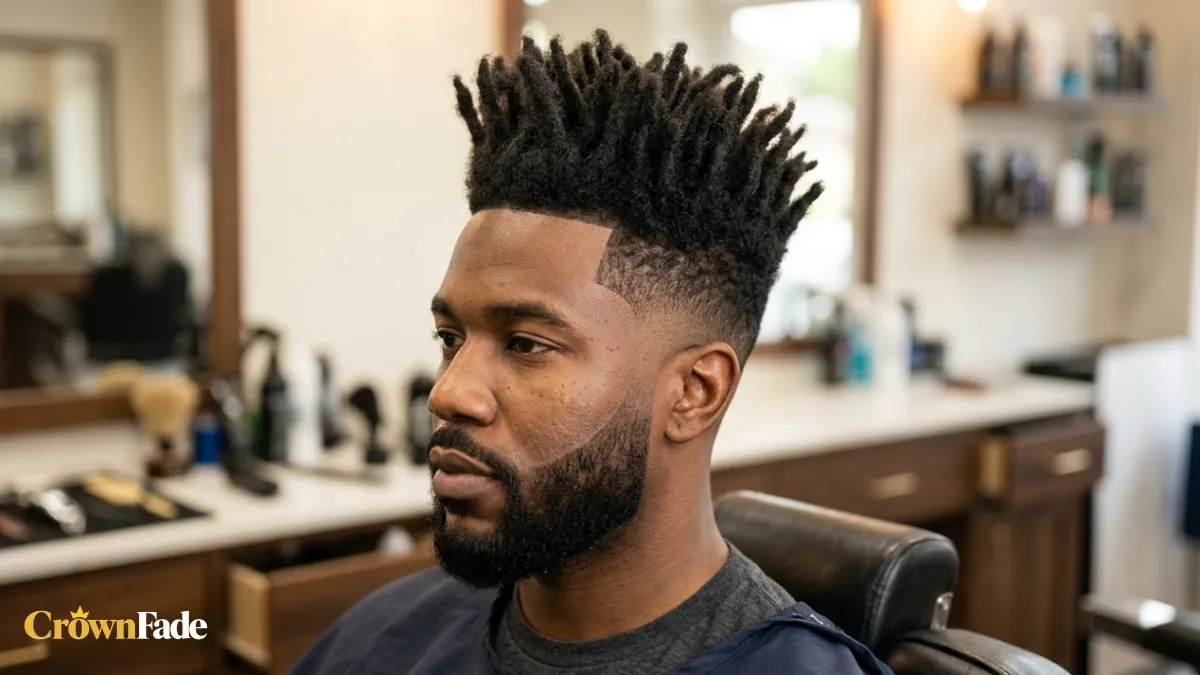
High-top dreads concentrate the locs on the crown and upper portion of the head, with shorter hair on the lower sides. A mid taper cleans up the temples and neckline and leaves the locs on top at full height. This style is particularly useful if you like a defined silhouette rather than locs hanging around the ears.
Best for: Men who want height, a structured shape, and a clean profile.
9. Mid Taper Fade Dreads with Line-Up
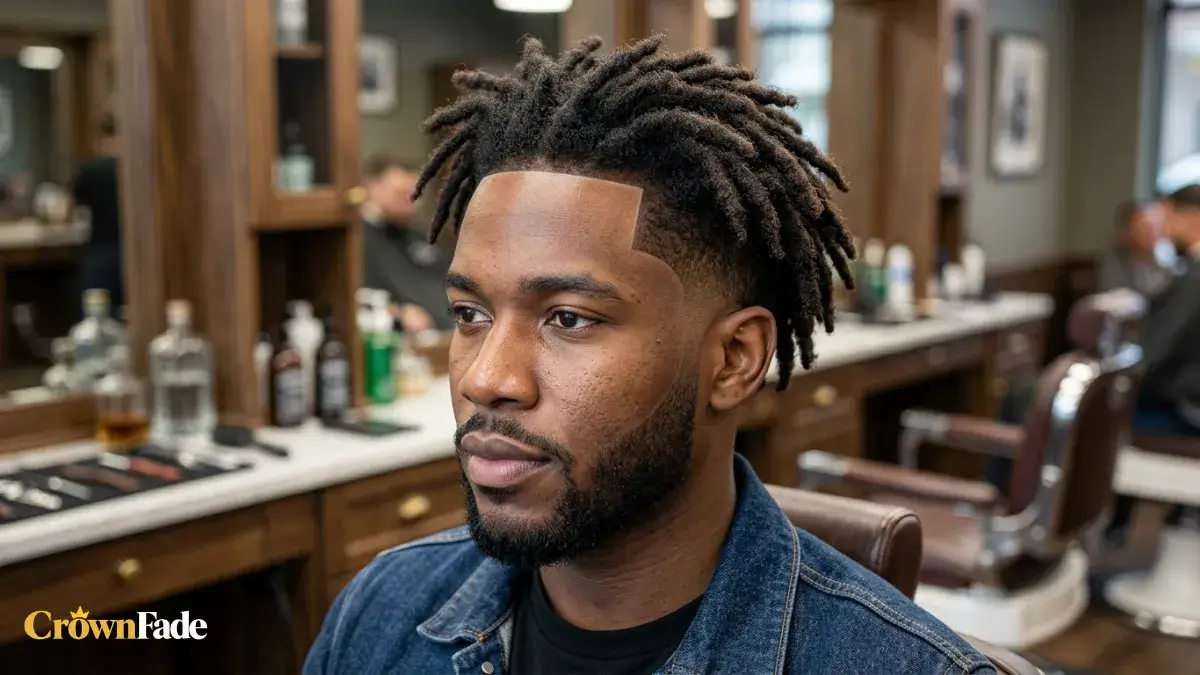
A line-up creates a sharper outline across the forehead and temples. Combined with a mid taper, it gives the haircut a more precise finish. The barber should follow your natural hairline instead of repeatedly pushing it backward to make the edge look straighter.
Best for: Men who prefer crisp edges and a clearly defined shape.
10. Mid Taper Fade Dreads with Braided Top
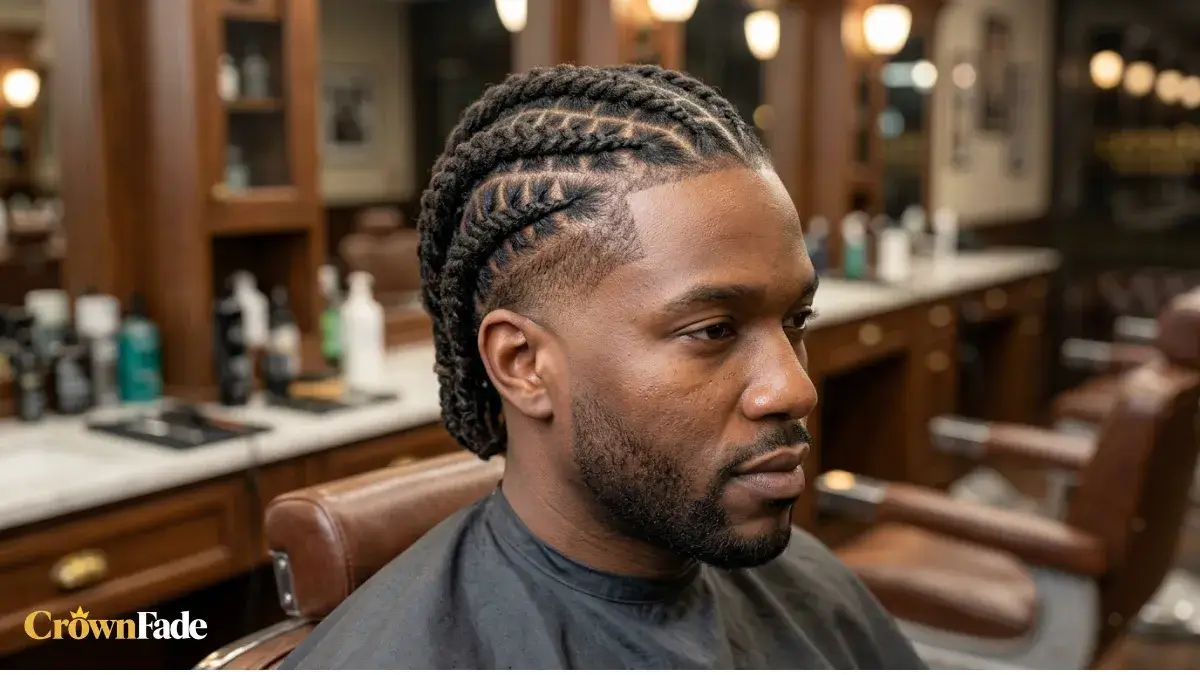
Braided locs or locs arranged into cornrow-inspired patterns can create a neat, directional look. A mid taper keeps the sides and back neat and gives the locs a clean outline. This style requires enough length for the chosen arrangement, and the braids should not pull tightly at the temples.
Best for: Medium-to-long locs and men who enjoy more structured styling.
Mid Taper Fade Dreads Styles by Face Shape
Your face shape can help you decide how much height, width, and definition to keep in your haircut. These suggestions are starting points, not strict rules. Hair density, head shape, personal taste, and the way your locs fall matter just as much.
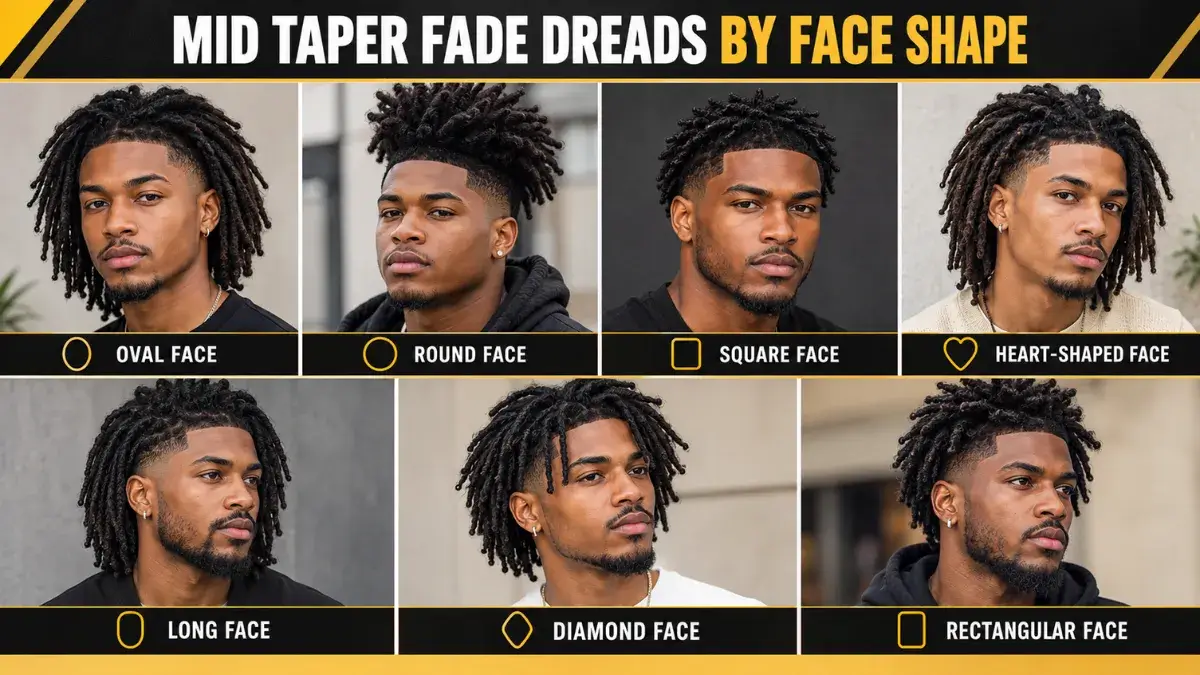
Oval Face
Oval faces usually work well with a variety of loc lengths and taper placements. Short dreads, medium locs, long dreads, and high-top styles can all suit this shape. Choose based on the appearance you want rather than trying to correct proportions that are already fairly balanced.
Round Face
If you want to make a round face appear longer, consider adding height at the crown with high-top dreads or a fuller top. Avoid creating excessive width at the sides if your goal is a more elongated silhouette. A mid taper can add definition without requiring a very high fade.
Square Face
Square faces often pair well with a sharp line-up, short locs, or a structured high-top. The clean edges complement a defined jawline. If you prefer a softer appearance, leave the locs slightly irregular and ask for a less pronounced outline.
Heart-Shaped Face
A heart-shaped face is generally wider around the forehead and narrower near the chin. Medium-length locs that fall around the sides can help balance the overall shape. A moderate taper keeps the edges tidy without adding unnecessary height to the top.
Long Face
If your face is naturally long, consider medium-length dreads with moderate volume rather than a very tall high-top. Locs that tilt to the sides can increase perceived width. A clean mid taper still gives you a defined finish without making the haircut look excessively elongated.
Diamond Face
Diamond-shaped faces tend to have prominent cheekbones with a narrower forehead and chin. Medium locs with some fullness around the upper sides can complement these proportions. A controlled taper and a natural-looking line-up help maintain balance without drawing too much attention to the temples.
Rectangular Face
A rectangular face is longer than it is wide, often with a strong jawline. Medium locs, textured short dreads, or a fuller top with some side volume can work well. Avoid adding too much height if you want the overall silhouette to appear shorter and broader.
Front and Back View: What to Expect
A front-only view of a haircut doesn’t show how well the taper has been blended. Ask your barber to check the sides and back before finishing, particularly if you wear your locs long or have an existing high-top cut.
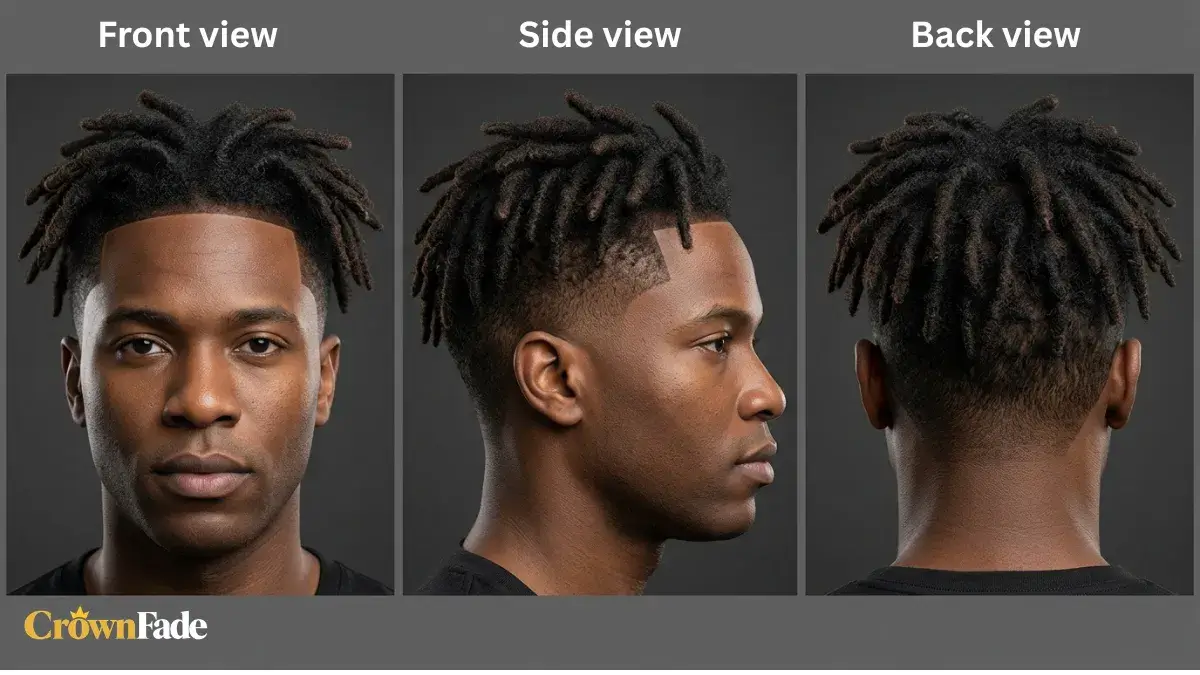
- Front view: The taper frames the temples and may be paired with a line-up. Your locs should remain the main focus.
- Side view: The blend should move gradually from shorter hair near the temple into the longer hair above it.
- Back view: The neckline should look balanced and clean without cutting unnecessarily high into the hair at the nape.
For the best result, bring reference photos showing all three angles. A picture of the front may show the style you like, but the side and back views help your barber reproduce the actual taper placement.
How to Style Mid Taper Fade Dreads?
Styling depends on whether your locs are short, mature, freeform, or arranged into twists. You do not need a large collection of products to make a mid taper fade look good; a clean scalp, well-maintained locs, and a suitable shape often do most of the work.
Follow these steps for everyday styling:
- Start with clean, dry, or appropriately damp locs. Use a shampoo suited to your scalp and loc routine. Allow your hair to dry thoroughly after washing.
- Choose your preferred shape. Wear short locs naturally, let long dreads hang freely, or gather longer locs into a loose ponytail or bun.
- Arrange the top gently. Use your fingers to separate locs or position them where you want them. Avoid pulling repeatedly at the roots.
- Use products sparingly. If your hair needs moisture, choose a lightweight product suitable for locs. Heavy waxes and thick creams may build up inside mature locs.
- Keep the edges neat. A fresh taper can sharpen the haircut, but you do not need to trim your hairline every few days.
For a more formal appearance, you can tie longer locs back while leaving the taper visible. For a casual style, let them hang naturally or sweep them away from the face. If you wear freeform dreads, avoid excessive manipulation that changes their natural formation.
How to Ask Your Barber for a Mid Taper Fade Dreads?
Clear instructions help your barber understand the exact haircut you want. Rather than asking only for a taper, explain where you want it to start, how much hair should remain, and whether you want a sharp line-up.
Use this checklist before your appointment:
- Ask for a mid taper around the temples and neckline.
- Explain whether you want a subtle blend or a more defined transition.
- Tell the barber to preserve the length and shape of your locs.
- Specify whether you want a line-up or prefer your natural hairline.
- Mention any thinning, sensitive areas, or locs that sit close to the temples.
- Show front, side, and back reference photos.
- Ask the barber to check both sides for balance before finishing.
A simple way to explain your preference is: “I want a mid taper around the temples and nape, with my locs left at their current length. Keep the blend gradual, preserve my natural hairline, and only line up the edges if needed.”
If you already have a high-top cut, explain how far down the sides you want the taper to extend. A barber familiar with locs should understand that the goal is to shape the perimeter without unnecessarily cutting into the locs themselves.
Before and After
A before-and-after comparison helps you understand what the taper changes and what it leaves alone. The biggest difference is usually around the temples, sideburns, and neckline rather than the length of the locs.
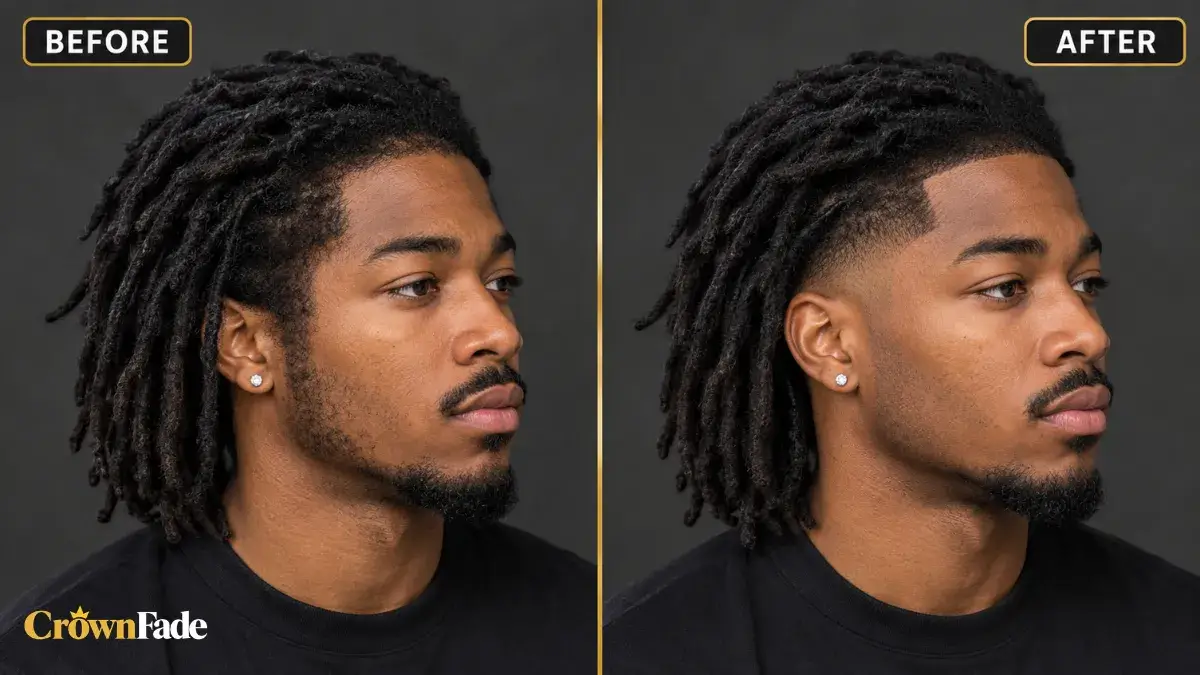
Here is what to look for when comparing the two stages:
| Before the Haircut | After the Haircut |
|---|---|
| Hair around the temples may look grown out. | The temple area has a cleaner, gradual blend. |
| The neckline may appear uneven or less defined. | The nape has a neater outline. |
| The locs may lack a clear contrast with the sides. | The top stands out against the tapered edges. |
| The hairline may have stray hairs. | An optional line-up adds definition. |
Results vary with the starting haircut, loc density, and barber’s technique. A taper can improve the shape of the hairstyle, but it does not make the locs themselves thicker or repair thinning roots.
For a useful comparison, photograph your hair from the same angles and under similar lighting. This makes it easier to judge the haircut’s shape instead of mistaking changes in lighting for changes in hair density.
How to Choose Based on Loc Length and Maturity?
Not every taper works the same way on every head of locs. The stage of your loc journey and the amount of hair around the sides will affect which haircut is practical.
Starter Locs
Starter locs are still forming and may consist of coils, twists, or small sections of hair. At this stage, a subtle taper is usually easier to manage because it cleans the edges without requiring a major change to the top.
Tell your barber that you are growing locs and want to preserve the sections. Avoid tight styling or aggressive edge work, particularly if your temples are already delicate.
Mature Locs
Mature locs offer more flexibility in length and styling. You can choose short, medium, or long dreads, wear them loose, or gather them into twists or other arrangements.
The main consideration is weight and tension. Long, heavy locs tied tightly into an updo can place stress on the roots, so alternate between loose styles and secured styles when practical.
Loc Density and Current Cut
Hair density affects how full your locs appear and how much contrast a taper creates. Dense locs can support a fuller top, while lower density may benefit from a conservative taper that does not expose too much scalp.
Your current cut matters as well. If you already have a high-top, the barber may need to preserve its existing shape. If your hair is grown evenly around the head, you may have more flexibility in how the taper connects to the sides.
Do not choose a cut based only on a reference photo taken on someone with a different hairline or density. Ask for a version that works with your natural growth pattern.
Other Natural Hair Textures
Although this haircut is often associated with Black men’s loc hairstyles, the technique can be adapted to different natural hair textures. Curl pattern, strand thickness, and the way locs form influence the final appearance.
Tighter curl patterns may produce compact locs, while other textures can form locs with different shapes and levels of fullness. The barber should work with the existing loc structure instead of trying to force every hairstyle into the same silhouette.
Pros and Cons
| Pros | Cons |
|---|---|
| Clean, professional look | Needs regular barber visits |
| Keeps full loc length | Not suited to locs growing from the sides |
| Flatters most face shapes | Line-ups and fades grow out within weeks |
| Works with many loc types and lengths | Requires a barber experienced with locs |
| Easy to pair with a beard | Exposed scalp needs extra care |
Common Mistakes to Avoid
A well-executed taper should complement your locs without creating unnecessary problems around the hairline. Avoid these common mistakes:
- Cutting the taper too high: This can expose more of the sides than intended. Start conservatively if you are unsure.
- Cutting into the locs: Tell the barber which locs must remain untouched, especially around the temples.
- Requesting an excessively sharp line-up: Repeatedly cutting behind the natural hairline can make it appear to recede.
- Retwisting too tightly: Tension around the roots can cause breakage and traction-related hair loss.
- Using too much product: Heavy waxes, creams, and gels may leave residue inside locs.
- Neglecting scalp hygiene: A fresh haircut does not replace regular cleansing.
- Ignoring the back view: An uneven neckline can make an otherwise good haircut look unfinished.
- Copying a style that does not suit your locs: Hair density, length, and maturity affect the final result.
- Over-trimming to maintain sharp edges: Frequent aggressive edging may gradually remove hair you want to preserve.
Choose a barber who understands locs and can blend the sides without disturbing the top. A good haircut should work with your hair’s natural growth rather than require constant correction.
Mid Taper Fade Dreads vs. High Taper Fade Dreads
Both haircuts create contrast between the locs and the shorter hair around the edges. The main difference is how high the transition begins and how much of the side area is affected.
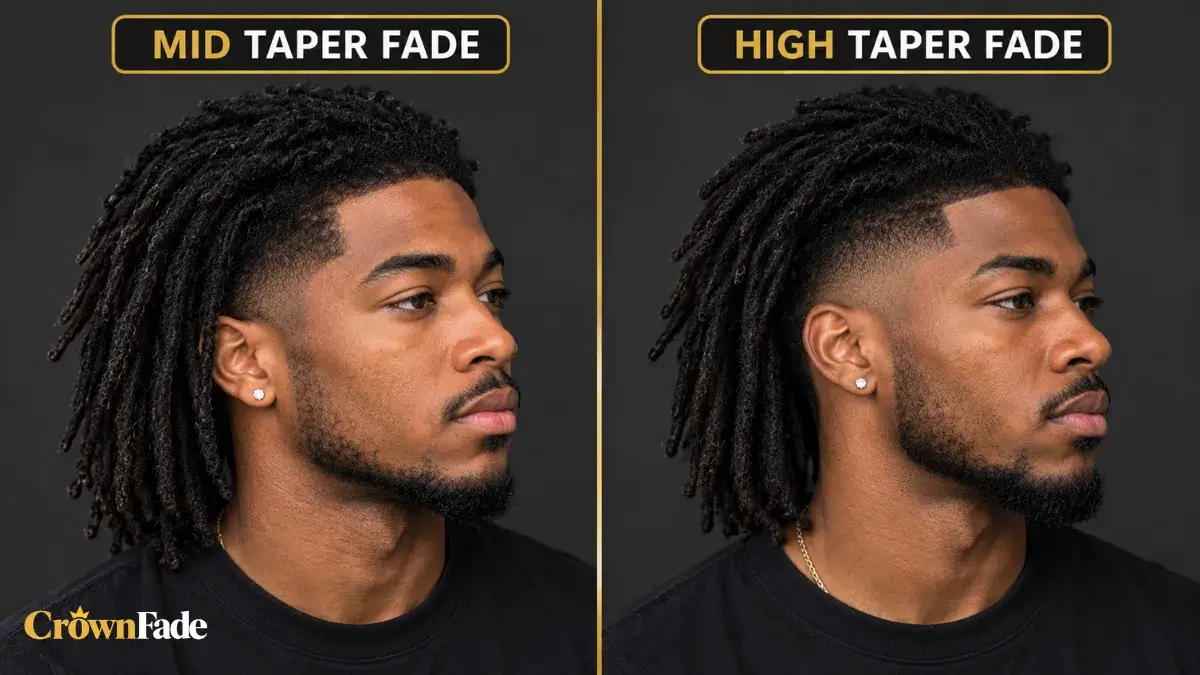
| Feature | Mid Taper Fade Dreads | High Taper Fade Dreads |
|---|---|---|
| Taper placement | Around the middle of the temple area and neckline | A higher transition around the upper temple area |
| Overall appearance | Balanced, with moderate contrast | More pronounced contrast around the sides |
| Hair preserved | Usually leaves more hair around the sides | Can remove more hair around the upper sides |
| Best suited to | Men who want a defined but relatively subtle outline | Men who prefer a bolder, more structured shape |
| Maintenance | Depends on the desired sharpness | Depends on the desired sharpness and blend |
| Main consideration | Keep the transition at the intended height | Confirm how high the barber will cut before starting |
A mid taper is a sensible starting point if you want to preserve the sides and are unsure how much contrast you prefer. A high taper may suit a high-top silhouette, but it can expose more of the scalp and may take longer to grow back if you change your mind.
Neither option is automatically better. Your existing haircut, loc density, hairline, and personal preference should guide the choice.
FAQ
Can a mid taper fade harm your hairline or loc roots?
Not if it is done carefully. The fade is cut on the sides and back, away from the loc roots. Problems usually come from clippers that go too high, aggressive line-ups, or tight retwisting near the temples.
How can I grow out a mid taper fade if I want a different style?
Skip the fade appointments and let the sides grow in. Expect an in-between phase of a few weeks to a few months where the sides look fuzzy. A barber can tidy the neckline and edges during that time so it does not look messy.
Does a mid taper fade look good with a beard?
Yes. The taper can blend into the sideburns and beard so the face looks continuous. A shaped, well-trimmed beard also balances longer locs and adds structure to rounder or longer faces.
How often should I refresh a mid taper fade on dreads?
Every two to three weeks suits most men. If you prefer a very sharp look or keep a line-up, you may want a quick visit every week or two.
Can I get a mid taper fade if my hairline is receding or thinning?
Yes. Ask for a soft, natural edge instead of a sharp line-up, and keep the taper slightly longer near the temples. Avoid tight retwists at the front, since tension can worsen thinning.
Does sweating, swimming, or working out ruin the fade?
No. Sweat and pool or sea water can dry or irritate the exposed skin, so rinse the sides afterward and moisturize lightly. Tie your locs up during workouts and wipe the sides with a clean towel.
Conclusion
Mid taper fade dreads offer a practical way to combine the texture of locs with a clean, defined haircut. Whether you prefer short dreads, long locs, starter locs, freeform styles, or high-top dreads, the taper can be adjusted to suit your hair and the appearance you want.
Before your next appointment, consider your loc maturity, hair density, face shape, and maintenance preferences. Bring clear reference photos, explain how much hair you want to preserve, and ask your barber to keep the taper at the intended height. The best result is a haircut that suits your natural hair, feels comfortable around the roots, and remains easy to maintain as your locs grow.