10 Best High Taper Fade With Textured Fringe Styles & Barber Maintenance Guide

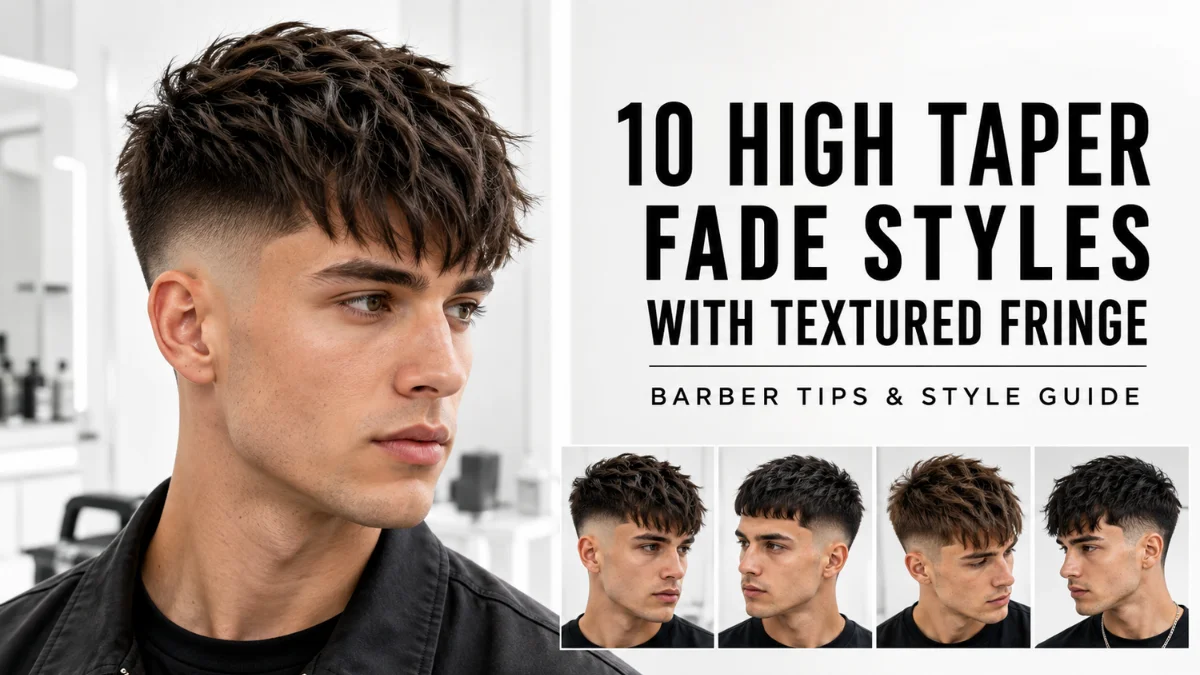
A high taper fade with textured fringe combines a clean, elevated taper around the sides with a forward-moving top that has deliberate separation and movement. The result is sharper around the temples, while the fringe gives the haircut a more relaxed, contemporary character.
What makes this haircut interesting is the contrast between precision and texture. The taper creates the clean framework, while the fringe prevents the top from looking overly uniform or heavily styled.
In 2026, men’s haircut trends are leaning toward texture, movement, softer finishes, and hair that looks intentional without appearing overly constructed. Current barbering coverage also shows continued interest in textured fringe variations, particularly when paired with personalized taper placement and natural-looking styling.
The important part is customization. Hair density, texture, forehead height, hairline, cowlicks, face shape, and the way your hair naturally falls should all influence how the cut is built.
What Is a High Taper Fade With Textured Fringe?
A high taper fade with textured fringe features a relatively elevated taper around the temple and upper side area, while the top is left long enough to create a forward fringe.
The fringe is not simply cut straight across the forehead. Texture is introduced through the cutting and finishing process so individual sections can separate and move instead of forming one heavy block.
The taper provides the clean element of the haircut, while the textured top supplies most of its personality. This combination can be adapted to short, medium, or longer top lengths depending on the desired silhouette.
How Is the Haircut Built?
There are essentially two visual components.
The taper: This controls the temples, sideburn area, and surrounding perimeter.
The textured fringe: This creates the forward movement, separation, and irregularity through the front and top.
The barber has to make these components work together. If the taper is taken too high or the fringe is left excessively heavy, the haircut can lose its intended balance.
Why This Combination Works?
The haircut works because each part solves a different styling problem.
The high taper reduces visual weight around the sides, while the fringe gives the top shape and direction. That contrast can make a relatively simple haircut look more detailed without requiring an elaborate design.
It also gives you styling flexibility. You can wear the fringe messy and separated for a casual appearance or use a little more control for a cleaner finish.
10 Best High Taper Fade With Textured Fringe Styles
The basic haircut can be customized in many ways. The right version depends on your hair type, top length, face shape, and preferred level of maintenance.
1. Classic Textured Fringe With High Taper
This is the straightforward version. The taper is kept clean and elevated while the top has enough length for separated pieces through the fringe. It works particularly well if you want a modern haircut without an extreme design or complicated styling routine.
2. Short Textured Fringe With High Taper
A shorter fringe creates a compact silhouette. The top stays close to the head while the taper creates most of the contrast around the sides. This is a practical option if you want texture without maintaining substantial length.
3. Messy Textured Fringe With High Taper
The messy version uses irregular separation through the top rather than a perfectly organized fringe. The key difference between messy and simply unstyled is intention. The hair should still have a recognizable shape and direction. A lightweight matte product can help separate the front without making it look stiff.
4. Long Textured Fringe With High Taper
A longer fringe falls farther toward the forehead and creates more movement. This version offers greater styling flexibility but also requires more attention to the front shape. It can be worn loose, pushed slightly to one side, or manipulated into a more pronounced forward texture.
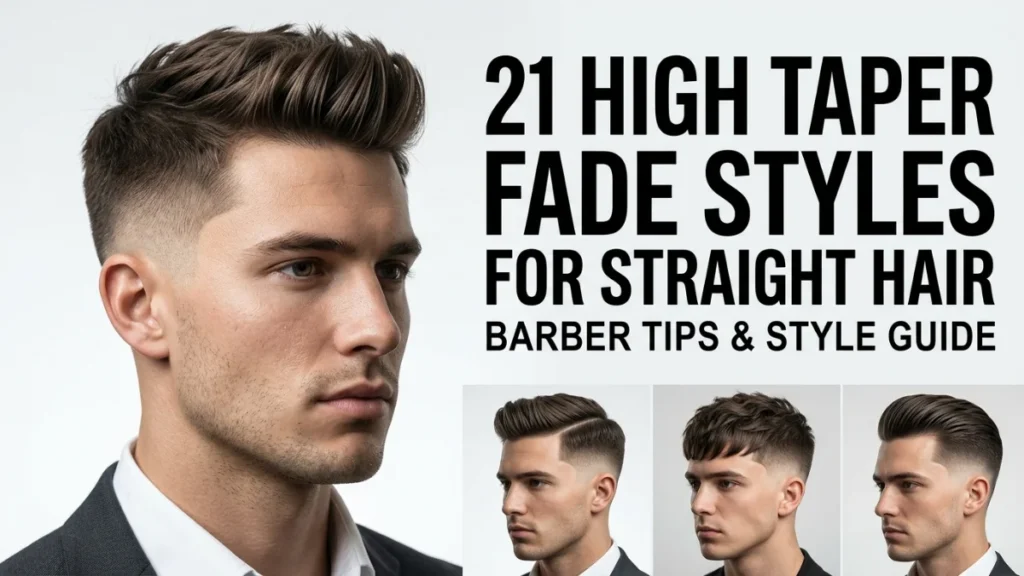
5. Straight Hair Textured Fringe
Straight hair gives the fringe a clean, visible outline. Because straight strands can appear flat, the barber needs to create separation without removing so much weight that the top loses its shape. A matte paste or light styling cream can help maintain movement.
6. Wavy Textured Fringe With High Taper
Wavy hair naturally contributes movement to the fringe. The barber can usually work with the existing bend rather than creating all of the texture through cutting. Keeping some length through the top allows the wave pattern to remain visible.
7. Thick Hair With Textured Fringe
Thick hair can provide excellent structure for this haircut. The challenge is controlling excessive bulk. Removing strategic weight can help the fringe separate without making the entire top too thin. The goal is controlled density, not simply making thick hair as light as possible.
8. Fine Hair With Textured Fringe
Fine hair needs a more conservative approach. If too much weight is removed from the fringe, the top can appear thin or lose its ability to hold a defined shape. A slightly fuller fringe with lightweight styling can often create a better visual result.
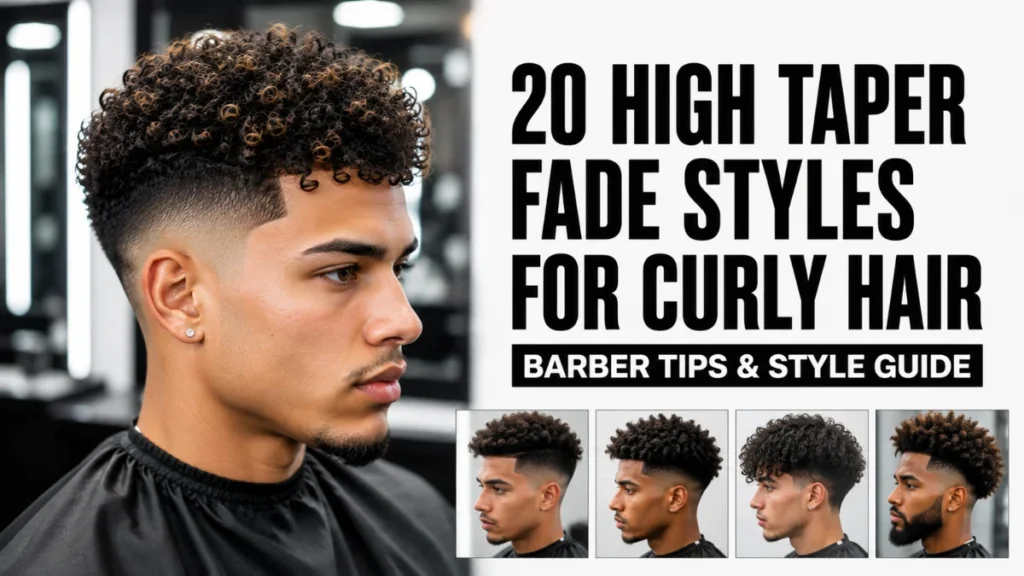
9. Curly Textured Fringe
Curly hair changes the concept considerably because the curl pattern already provides substantial texture. The barber should account for shrinkage and the way the curls contract after drying. The taper can remain clean while the natural curl pattern supplies the texture through the front.
10. High Taper With Choppy Fringe
A choppy fringe uses noticeable variation in the front lengths. This produces a more separated appearance than a conventional straight fringe. It works particularly well if you prefer a casual, fashion-forward finish.
High Taper Fade vs. Mid Taper With Textured Fringe
The taper height changes the entire personality of the haircut.
A high taper creates stronger contrast and exposes more of the upper side area. A mid taper keeps more side structure and generally produces a less dramatic transition.
| Feature | High Taper | Mid Taper |
|---|---|---|
| Contrast | Stronger | Moderate |
| Side Weight | Lower | Higher |
| Top Emphasis | Strong | Balanced |
| Overall Appearance | Bold and sharp | More subtle |
| Fringe Focus | Very noticeable | More integrated |
If you want the fringe to be the obvious focal point, the higher taper can provide more separation. If you prefer a softer silhouette, a mid taper may be more appropriate.
Choosing the Right Fringe Length
The front length should be based on the way you want the fringe to behave.
- Short Fringe: A short fringe creates a compact, structured appearance. It requires less styling but gives you fewer options for changing direction.
- Medium Fringe: Medium length gives you more room to create separation, movement, and a slightly messy finish. This is a useful middle ground for everyday styling.
- Long Fringe: A longer fringe creates more visual movement and can fall farther across the forehead. It offers more styling options but needs greater control during the morning routine.
Best Hair Types for This Haircut
- Straight Hair: Straight hair provides a clean foundation for a textured fringe. The main challenge is preventing the top from becoming too flat or too uniform. Strategic cutting and lightweight styling can create separation.
- Wavy Hair: Wavy hair is naturally suited to a textured appearance. The barber can use the existing wave pattern to create movement rather than overworking the hair.
- Curly Hair: Curly hair can support the look, but the haircut needs to account for shrinkage and curl formation. The fringe may appear considerably shorter once dry.
- Thick Hair: Thick hair provides plenty of material for shaping. Weight management becomes the main consideration, particularly around the upper sides and front.
- Fine Hair: Fine hair needs careful weight preservation. A heavily thinned fringe may lose its structure, so the barber should focus on creating texture without stripping away too much density.
How to Ask Your Barber for the Cut?
Do not rely on the haircut name alone.
Tell your barber:
- How high you want the taper
- Whether you want skin, shadow, or guard length
- How long you want the fringe
- Whether you want the texture subtle or pronounced
- Whether you want a natural or sharp hairline
- How you normally style the top
- Whether you want the neckline natural or tapered
A clear request could be:
“I want a high taper around the temples and upper sides, but keep enough length through the top for a textured fringe. I want the front separated and natural rather than blunt, and I want the hairline cleaned without pushing it back.”
Bring a side-view reference if the taper placement is especially important to you.
How to Style a High Taper Fade With Textured Fringe?
Styling should reinforce the haircut rather than completely reshape it.
- Start With Damp Hair: After washing or refreshing the hair, remove excess water with a towel. The hair should be damp enough to shape but not dripping wet.
- Establish the Direction: Use your fingers to guide the top forward. If your fringe naturally moves slightly sideways, allow that direction rather than forcing every strand straight down.
- Add Lightweight Product: Use a small amount of matte paste, clay, cream, or another product suited to your hair. Work it through the top with your fingertips.
- Create Separation: Pinch or twist selected sections of the fringe to create individual pieces. Do not separate every strand. Too much manipulation can make the haircut look overly constructed.
- Finish Naturally: Let the texture remain slightly irregular. The modern version of this haircut generally works better when the texture looks controlled but not rigid.
Current 2026 men’s grooming coverage is emphasizing natural movement and softer, matte styling rather than extremely glossy or heavily fixed finishes.
Product Guide
The right product depends on your hair density and desired finish.
| Hair Type | Useful Product Direction | Why |
|---|---|---|
| Fine | Lightweight cream or texture spray | Preserves movement |
| Medium | Matte paste | Balanced control |
| Thick | Clay or stronger paste | Controls weight |
| Wavy | Light cream or matte paste | Enhances movement |
| Curly | Curl-friendly cream | Supports natural texture |
Start with less product than you think you need. Adding more is easier than trying to remove excess product after the hair becomes heavy.
Maintenance Between Barber Visits
The taper and fringe grow differently, so both areas need attention.
The taper gradually loses its sharpness as the sides grow. The fringe may become longer and heavier, changing the way it falls across the forehead.
You do not necessarily need to completely reshape the haircut every time. A simple cleanup can restore the perimeter while preserving the top.
Conclusion
The best high taper fade with textured fringe is not simply a high taper combined with a short front. The haircut works when the taper height, top length, fringe shape, texture, and natural growth pattern are designed as one complete silhouette.
Straight hair can benefit from deliberate texture to prevent the top from looking flat. Thick hair needs controlled weight management, while fine hair requires enough density to keep the fringe substantial.
Your face shape and hairline should also influence the final proportions. A high taper creates strong contrast, so the top needs to have enough structure to support it without making the haircut look disproportionately heavy.
For the most natural result, tell your barber exactly how you want the fringe to fall, how much contrast you want from the taper, and how much daily styling you are realistically willing to do. The strongest version is the one that looks textured and intentional without requiring you to fight your hair every morning.