Mid Taper Fade Black Male: 25 Modern Styles, Barber Guide & 2026 Trends

A mid taper fade black male haircut gives you a clean perimeter without forcing the entire side of the head into a dramatic fade. The taper is concentrated around the temple, sideburn, and neckline, while the top can keep its natural coils, curls, waves, twists, locs, or short textured shape.
That balance is what makes the cut so adaptable. You can keep the top compact and low-maintenance, build more height with an afro, define 360 waves, or leave enough length for twists and locs while the taper keeps the outline controlled.
There is also an important 2026 shift worth knowing about: men’s grooming is moving toward more tailored cuts, natural texture, softer transitions, and styles that grow out gracefully rather than looking aggressively sculpted. That direction fits the mid taper particularly well because the haircut can look precise without depending on an extremely high or skin-tight fade.
What Is a Mid Taper Fade for Black Men?
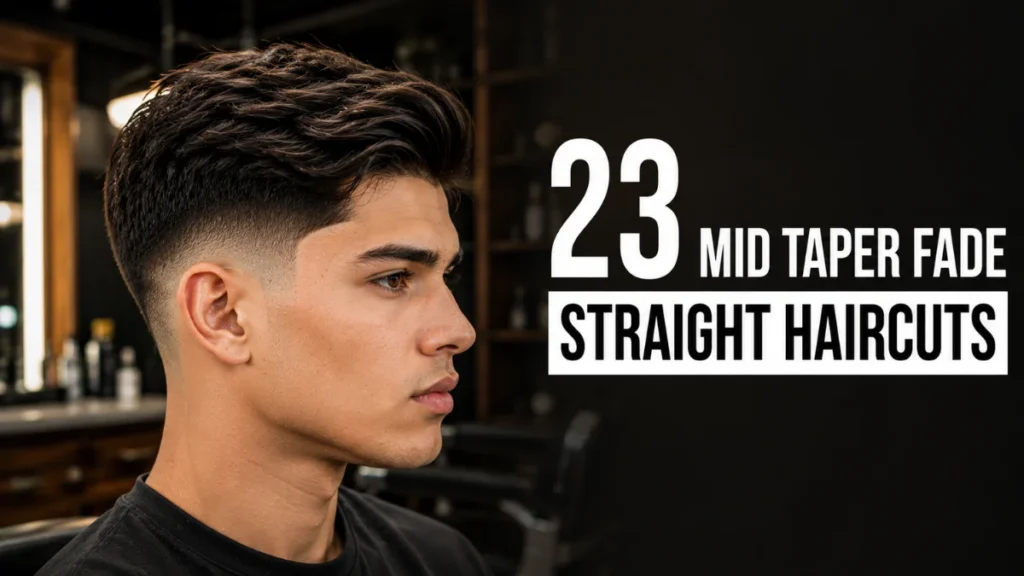
A mid taper fade is a tapered haircut where the shortening begins around the middle of the temple area and gradually gets tighter toward the sideburn and neckline. Unlike a traditional full fade, the barber does not necessarily remove the same amount of hair across the entire side panel.
For Black men with coily or curly hair, that distinction matters. The taper can clean up the areas that need definition while leaving enough surrounding hair to preserve the natural silhouette and texture.
The exact position is not identical on every head. A skilled barber considers the temple shape, hairline, density, curl pattern, head shape, and desired contrast before deciding.
Mid Taper vs. Mid Fade
These terms are sometimes used interchangeably by clients, but they can describe different cutting approaches.
A mid fade generally means the fading action travels farther through the side panel. A mid taper is more focused around the temple, sideburn, and neckline, preserving more of the side structure.
If you want your natural hair to remain visually prominent, tell your barber that you want a taper rather than simply asking for a mid fade. A reference photo is even better because terminology can vary from one barbershop to another.
Why Does the Mid Taper Work So Well With Black Hair?
Black men’s hair can range from loose curls to tightly coiled 4C texture, with significant differences in density, shrinkage, growth patterns, and styling needs. The haircut should work with those characteristics rather than treating every head of hair the same.
The taper creates a clean frame around the natural texture. This is particularly useful when the top is the main feature, whether you’re wearing waves, a short afro, curls, twists, or locs.
Another advantage is customization. The barber can leave more weight near the temples, reduce bulk selectively, sharpen the edge-up, or keep the neckline natural depending on the look you’re after.
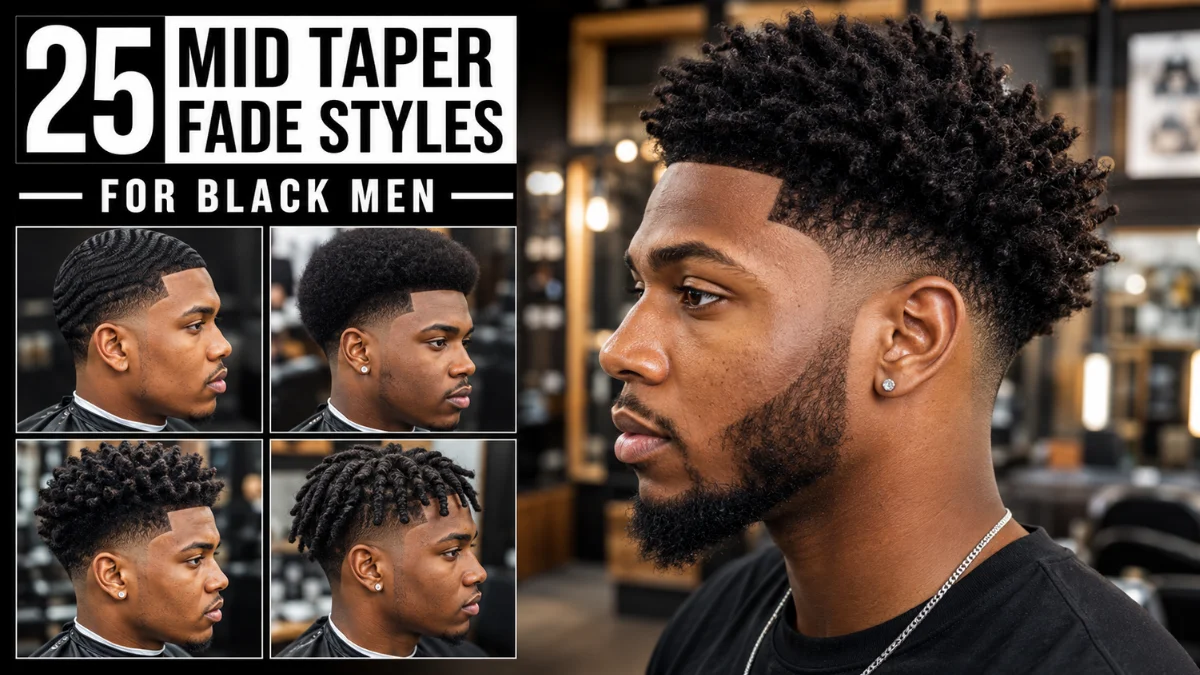
25 Modern Mid Taper Fade Haircuts for Black Men
The best version is not necessarily the most elaborate one. Your hair texture, top length, face shape, lifestyle, and willingness to maintain the cut should determine which variation makes sense.
1. Short Natural Hair With Mid Taper
Keep the top short enough to follow the natural curl pattern while the taper cleans the temples and neckline. This is a strong everyday choice when you want definition without a complicated styling routine.
A light moisturizer or leave-in product can help the hair remain comfortable and flexible without weighing down the short texture.
Best for: Coily or curly hair, low styling effort, oval and square faces.
2. Mid Taper With 360 Waves
The wave pattern becomes the centerpiece while the tapered perimeter provides contrast. Keeping the transition controlled is important because an overly aggressive fade can visually compete with the wave pattern.
For established waves, consistent brushing and nighttime protection are more important than piling on styling product.
Best for: Wave-focused styles and clients who enjoy regular grooming.
3. Mid Taper With Short Afro
A compact afro gives you natural volume without the maintenance of a much larger shape. The taper removes visual heaviness around the temple and neckline while allowing the top to remain rounded. Ask your barber to preserve the silhouette rather than cut excessive height from the crown.
Best for: 4A–4C textures, natural styling, round or oval faces.
4. Mini Afro With Clean Edge-Up
This version combines a short natural top with a precise hairline. It is particularly effective when you want the haircut to look polished immediately after leaving the barbershop but still retain natural texture.
The edge-up should follow your existing hairline rather than being pushed forward to create an artificial shape.
5. Mid Taper With Sponge Curls
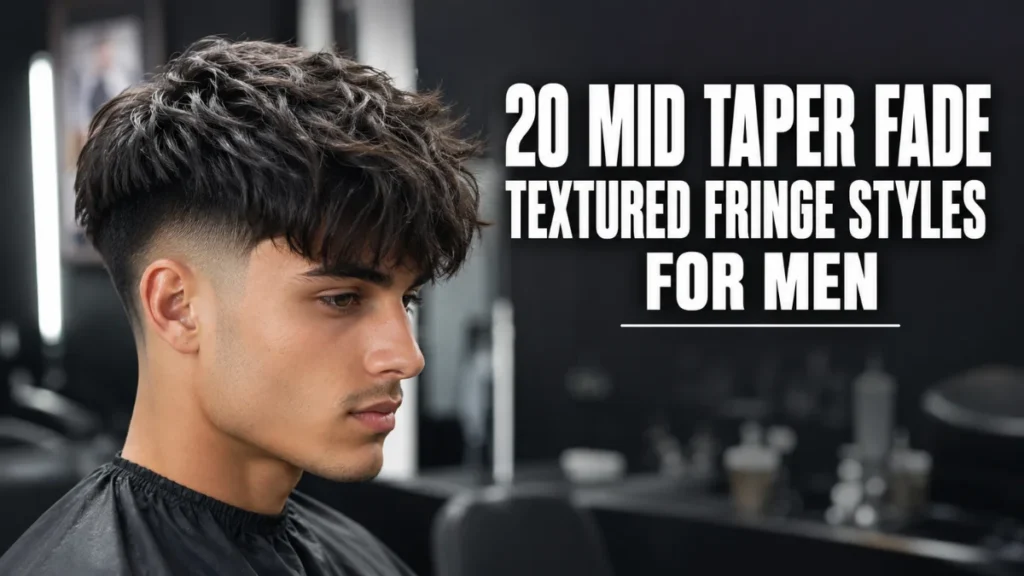
Sponge curls add visible texture to a short natural top. The taper gives the hairstyle a defined perimeter while allowing the curls to remain the focus.
Use a curl sponge gently and avoid repeatedly manipulating dry hair. A small amount of suitable curl product can define without making the top stiff.
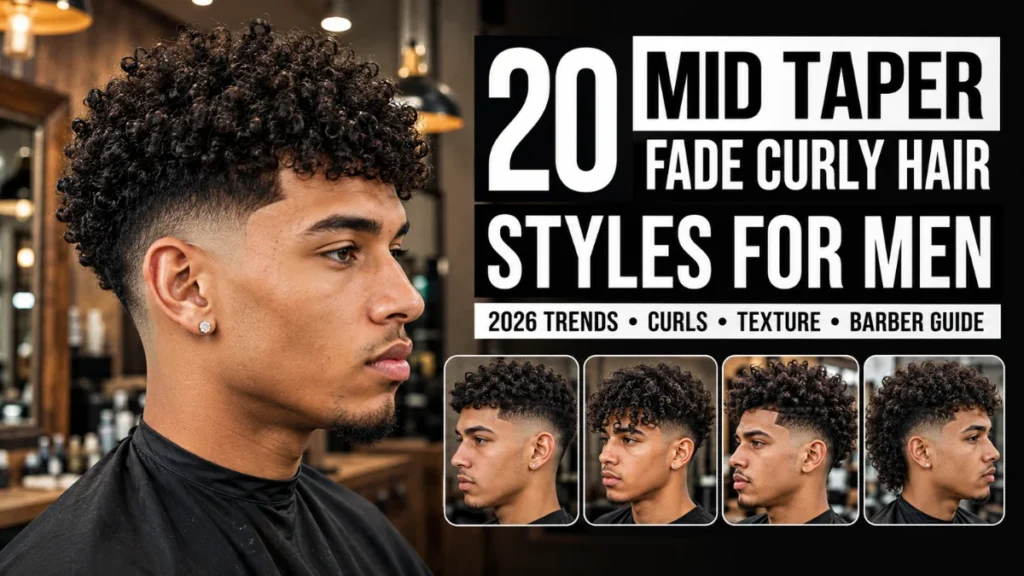
6. Mid Taper With Defined Curls
If your hair naturally forms distinct curls, leave enough length for the pattern to show. The barber can control the sides without flattening the top. This works especially well when the goal is texture rather than a highly geometric shape.
Best for: Curly and coily textures with enough length for definition.
7. Mid Taper With Textured Crop
A short textured crop gives the top a compact, contemporary shape. The taper keeps the temple area clean without requiring a high-contrast fade.
This is a practical option for someone who wants a fashionable cut but does not want to spend much time shaping the hair each morning.
8. Caesar With Mid Taper
A short forward fringe gives the haircut a strong front profile, while the taper keeps the perimeter controlled. The Caesar can be especially effective when you prefer a short, structured haircut.
The key is keeping the fringe proportional to the natural hairline and avoiding an overly heavy front edge.
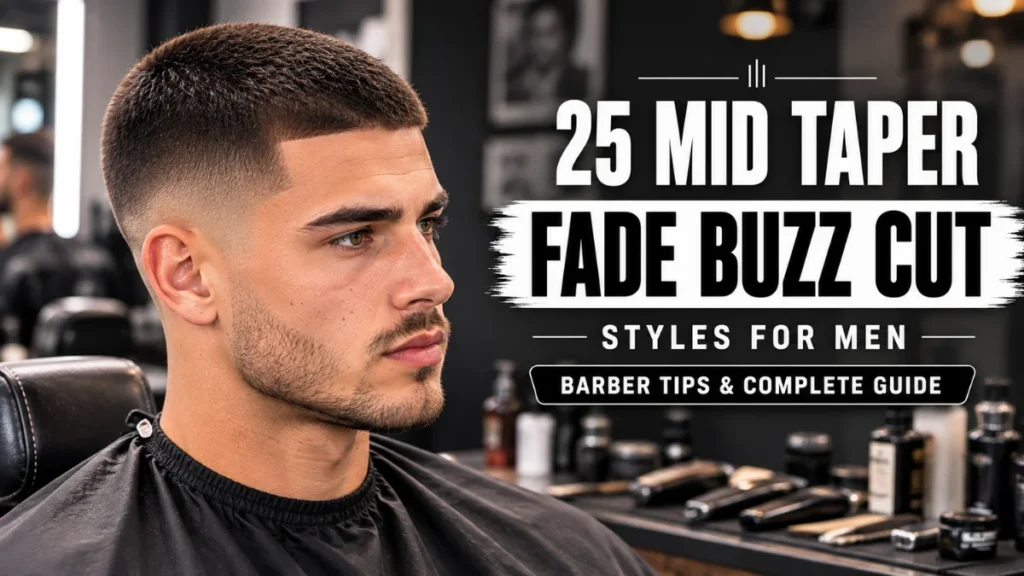
9. Buzz Cut With Mid Taper
A buzzed top makes the haircut exceptionally straightforward. The taper adds visual definition around the temples and neckline without introducing a complicated top shape. Because there is little length to hide imperfections, this variation makes the quality of the edge-up and blending especially noticeable.
Best for: Minimal styling, athletes, busy schedules, and clients who prefer short hair.
10. Mid Taper With High-Volume Afro
Instead of keeping the top compact, allow the afro to carry more height and width. The taper provides a cleaner transition around the lower perimeter while the natural volume remains dominant.
For rounder faces, controlled vertical height can create a longer-looking overall silhouette. For longer faces, preserving some width can create better visual balance.
11. Mid Taper With High Top
A high top introduces a stronger vertical shape. The taper can keep the lower areas neat while the top remains the defining feature.
This is a good example of why the taper does not need to be extremely high to create contrast. The top itself can supply much of the visual impact.
12. Mid Taper With Sponge Twist Top
Short sponge twists add texture and dimension without requiring the length of traditional twists. The tapered perimeter makes the style look intentional rather than bulky.
Keep the top long enough for your texture to form properly. Cutting it too short can make the twists difficult to establish.
13. Mid Taper With Two-Strand Twists
Longer two-strand twists create a different proportion from short natural hair. The taper provides a clean foundation while the twists add length and movement.
This combination also gives you flexibility to wear the twists down, pinned back, or to transition into another protective style.
14. Mid Taper With Starter Locs
Starter locs and a taper can work together when the taper remains secondary to the developing loc pattern. Avoid taking too much hair from the sides if you eventually want the locs to have a fuller appearance.
Discuss your long-term goal with the barber or loctician before the cut. The best taper today should not interfere with the shape you’re trying to build over time.
15. Mid Taper With Mature Locs
With mature locs, the top can provide substantial length and visual weight. A controlled taper around the temples and neckline gives the locs a cleaner frame.
The haircut should be coordinated with the way you normally wear your locs, especially if you frequently tie them back or wear a bun.
16. Mid Taper With Braids
Braids paired with a taper create a sharp contrast between the structured top and clean perimeter. The exact taper placement should account for where the braids begin.
Do not let the desire for a sharper edge encourage the barber to remove hair that is needed for your braid pattern.
17. Mid Taper With Cornrows
Cornrows can be combined with a tapered perimeter for a more defined outline. The important consideration is planning the taper around the braid design rather than treating the haircut and braiding pattern as separate decisions.
If you’re getting both services on the same day, communicate the intended finished shape before either service begins.
18. Mid Taper With Beard
A beard can extend the visual line from the temple toward the jaw. The cleanest result usually comes from making the transition between sideburn and beard intentional rather than leaving an abrupt change in length.
Your barber can keep the beard connection subtle or create a more visible gradient depending on how much contrast you prefer.
19. Mid Taper With Natural Hairline
Not every taper needs an aggressively squared edge-up. Keeping more of the natural hairline can create a softer, more understated finish. That approach also fits the broader 2026 preference for tailored cuts and natural-looking outlines.
20. Mid Taper With Sharp Line-Up
If you prefer a crisp appearance, a clean line-up can emphasize the contrast between the hairline and natural texture. The important barbering principle is restraint. The line should refine the existing hairline rather than repeatedly cutting farther into it.
21. Mid Taper With Design
A small shaved design can add personality without changing the entire haircut. Because the taper already creates a clean area, the design can be placed strategically near the temple or behind the ear.
Keep the design proportional to the haircut. A complicated pattern can quickly overpower a short, understated top.
22. Mid Taper With Curly Top
A curly top benefits from having enough length to show movement. The taper then acts as a clean border rather than becoming the dominant element.
For tighter curls, moisture and gentle handling matter more than trying to force the hair into a completely different pattern. Modern curly-hair guidance increasingly emphasizes hydration, structure, and working with the existing curl pattern.
23. Mid Taper With Blowout Texture
A textured blowout gives the top more lift while the taper controls the sides. This is a useful option when you want more movement than a compact crop provides.
In 2026, softer, more tailored styling is gaining attention, so a controlled blowout can feel current without requiring an exaggerated silhouette.
24. Mid Taper With Longer Natural Top
Keeping extra length lets you change the styling from day to day. You might wear the texture forward, shape it upward, or allow the hair to grow toward twists or another longer style.
This is also a practical option for anyone who wants a haircut that can transition as their hair grows.
25. Mid Taper With Low-Maintenance Top
For the simplest routine, keep the top short and let the taper provide most of the structure. This removes much of the daily styling work while maintaining a deliberate shape.
It is a particularly useful choice if you like a fresh haircut but do not want your grooming routine to revolve around your hair.
Mid Taper vs. Low Taper vs. High Taper
Clients often ask me to explain these three side by side, so here’s the breakdown I give in the shop.
| Fade Type | Where It Starts | Contrast Level | Best For |
|---|---|---|---|
| Low Taper Fade | Near the ear, close to the hairline | Subtle | Conservative workplaces, softer looks |
| Mid Taper Fade | Between ear and temple | Moderate | Most face shapes, everyday versatility |
| High Taper Fade | Near the temple or crown | Bold | Statement styles, more dramatic top length |
A mid taper fade is the middle ground most guys end up choosing because it doesn’t commit you to either extreme. It reads as clean and intentional in professional settings, but it still has enough definition to look sharp for a night out. If you’re unsure which one to request, the mid taper is the safest starting point for a first fade.
How to Choose the Right Style for Your Face Shape?
Face shape should influence proportions, not dictate a rigid list of “correct” haircuts. Your barber can adjust top height, side fullness, hairline shape, and taper placement to make the overall silhouette more balanced.
| Face Shape | What Usually Works Well | What to Consider |
|---|---|---|
| Oval | Most top styles | You have considerable flexibility |
| Round | Afro height, high top, textured volume | Avoid excessive side width if you want a longer-looking profile |
| Square | Short crops, waves, natural texture | Strong angles can work well with a clean perimeter |
| Oblong | Fuller afro, curls, twists | Preserve some side volume rather than adding excessive height |
| Diamond | Textured tops, curls, controlled volume | Balance narrower forehead and jaw proportions |
| Heart | Medium texture and moderate volume | Avoid making the crown disproportionately tall |
The important point is customization. A round face does not automatically require a high top, and an oval face does not mean every variation will look equally good.
How to Ask Your Barber for the Cut?
Instead of saying only, “Give me a mid taper,” describe four things:
- Where you want the taper: Explain how high you want the transition around the temple.
- How short you want it: Tell the barber whether you want a close finish, a softer taper, or visible shadow.
- What stays on top: Specify your desired afro, curls, waves, twists, locs, crop, or other top style.
- How you want the hairline: Decide between a natural-looking edge and a sharper line-up.
A useful request might sound like:
“Keep my natural texture on top, taper the temples and neckline around the middle area, don’t take the taper too high, and keep the edge-up close to my natural hairline.”
Then show your barber a photo with a similar hair texture and head shape. A picture that resembles your own hair will usually communicate more than a celebrity reference with completely different density or curl behavior.
What a Good Barber Should Pay Attention To
The finished haircut is not just about the clipper guard. A professional should assess the head before cutting and identify areas where the hair grows differently.
Temple Shape
The temples determine how the taper sits against the front profile. A symmetrical-looking reference photo may need slightly different adjustments on each side because natural growth is rarely perfectly identical.
Hair Density
Dense hair can support stronger transitions, while lower-density areas may need a softer approach. Taking too much from a thin area can make the scalp show more than intended.
Hairline
A sharp line-up can look excellent, but preserving the natural hairline is more important than creating an artificially straight edge.
Crown Pattern
The crown can affect how the top sits. If the barber ignores a strong cowlick or growth pattern, the finished shape may look uneven once the hair settles naturally.
Head Shape
A taper should support the overall head silhouette. The best barbering work often involves removing bulk selectively rather than simply taking everything shorter.
Mid Taper Fade Black Male Maintenance
A taper is at its sharpest immediately after a professional cut, but you do not need to chase the same appearance every day.
How quickly the haircut looks grown out depends on your hair growth, the closeness of the taper, your preferred level of sharpness, and the style on top. There is no universal schedule that works for every person.
For a consistently crisp appearance, many clients choose regular cleanup appointments rather than waiting until the entire top needs cutting. Current barber guidance similarly emphasizes that haircut longevity varies by style and individual growth rather than following one fixed timetable.
Between Haircuts
- Keep the scalp clean without aggressively stripping the hair.
- Moisturize according to your hair texture and styling routine.
- Protect waves, twists, and locs at night when appropriate.
- Avoid repeatedly brushing or manipulating dry, fragile texture.
- Keep the beard and neckline coordinated with the haircut.
- Ask for a cleanup when the perimeter becomes noticeably untidy.
For Black men’s hair, moisture deserves particular attention. At the 2026 Public School show, hairstylist Lacy Redway specifically highlighted moisture and texture care as important parts of Black men’s hair routines.
Products Depend on the Top Style
There is no single “best” product for every version of this haircut.
- For short natural hair: A lightweight moisturizer or leave-in conditioner can provide softness without unnecessary buildup.
- For curls: Use a curl-focused product that provides the amount of definition you actually want. Heavy products are not automatically better.
- For waves: A suitable wave brush and lightweight styling product can support the brushing routine.
- For twists and locs: Prioritize products appropriate for the hairstyle and avoid excessive residue, particularly when the hair is worn in a protective style.
- For the beard: Keep the beard clean and conditioned, then choose a product based on its length and texture.
Is This Haircut Still Relevant in 2026?
Yes, but the way the style is being worn is changing.
The broader men’s grooming landscape in 2026 is moving away from one-size-fits-all, ultra-sculpted haircuts and toward more individual texture, softer shaping, tailored proportions, and styles that can grow out naturally. GQ’s 2026 reporting specifically points to softer tapers, natural necklines, customized short cuts, and more relaxed texture as part of the year’s direction.
That does not mean fades or tapers have disappeared. Instead, the trend suggests that the strongest versions are increasingly personalized rather than automatically pushed to skin or paired with an exaggerated top.
For Black men, that makes natural curls, waves, afros, twists, braids, and locs especially important to the conversation. Recent Black-hair fashion coverage continues to show waves, low cuts, braids, curls, and locs as active parts of contemporary men’s styling.
Common Mistakes to Avoid
- Taking the Taper Too High: If the transition climbs too far up the side, the haircut can stop looking like the balanced taper you originally requested.
- Pushing the Hairline Back: A line-up should sharpen the existing edge rather than continually moving it backward. If your natural hairline is uneven, your barber can work with its shape instead of trying to erase it.
- Removing Too Much Top Length: The top is often what gives this haircut its identity. Cutting it shorter simply because the sides are being tapered can eliminate the texture or volume you wanted.
- Copying a Style Without Considering Hair Density: A reference photo can be useful, but your hair may not have the same thickness, curl pattern, or growth direction. The right adaptation is better than an exact imitation.
- Treating Every Taper as a Skin Fade: You do not automatically need the shortest possible finish. A softer transition can create a more natural appearance and may grow out more gracefully.
- Ignoring the Neckline: The neckline contributes heavily to the finished profile. A clean, intentional neckline can make the entire haircut look more polished.
FAQ
Is a mid taper fade good for Black men?
Yes. The haircut can work particularly well when the taper is adapted to the client’s natural curl pattern, density, hairline, and preferred top length.
Is a mid taper better than a low taper?
Neither is universally better. A low taper gives a more understated result, while a mid taper creates more visible definition around the temple area.
Does a mid taper work with 4C hair?
Absolutely. Short afros, sponge coils, waves, crops, twists, and other styles can all be adapted to tightly coiled hair. The key is preserving the amount of top length required for your chosen style.
How often should I get a mid taper touched up?
It depends on how quickly your hair grows and how sharp you want the perimeter to remain. Some people prefer frequent edge and neckline cleanups, while others allow the taper to grow out longer between appointments.
What should I show my barber?
Bring one or two photos that resemble your own hair texture, top length, and head shape. Then explain how much side volume you want preserved and whether you prefer a natural or crisp hairline.
Final Thoughts
The best mid taper fade black male haircut is not simply the one with the cleanest blend. It is the version that fits your hair texture, face shape, hairline, top length, and daily routine.
For 2026, the smartest approach is to personalize the haircut instead of chasing the most extreme fade. Keep the natural texture visible, choose a taper height that complements your head shape, and make sure your barber understands exactly how much hair you want preserved.
Whether you choose waves, a short afro, curls, twists, locs, a buzz cut, or a textured top, the taper should support the hairstyle rather than overpower it. That balance is what keeps the cut versatile, wearable, and current.