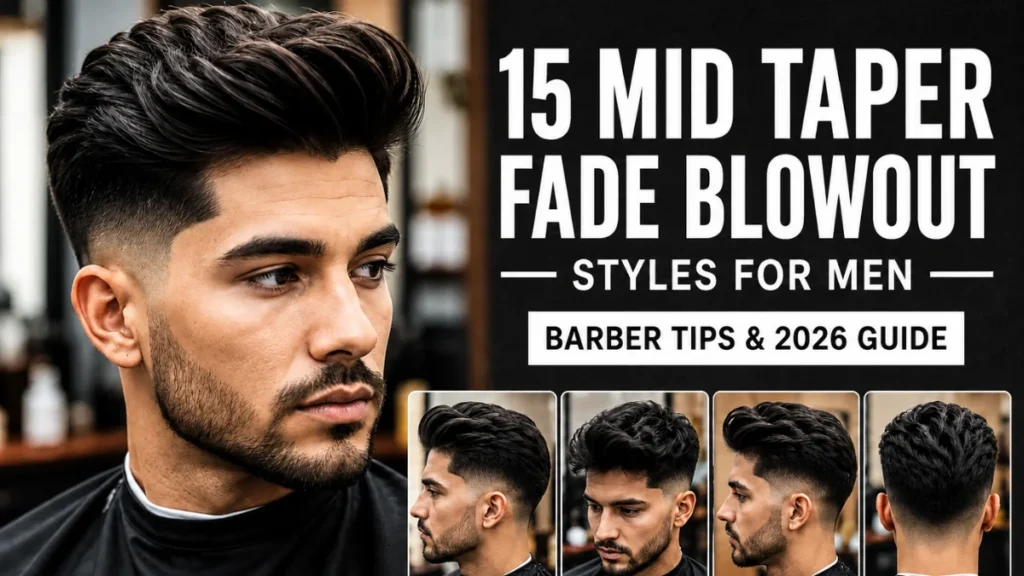
25 Best Mid Taper Fade Buzz Cut Styles, Barber Tips & 2026 Guide

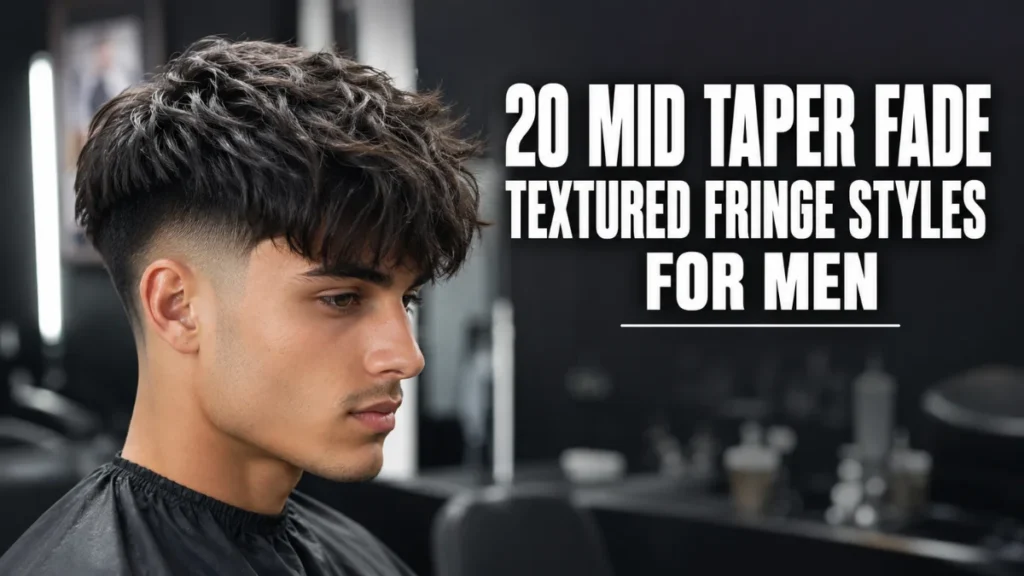
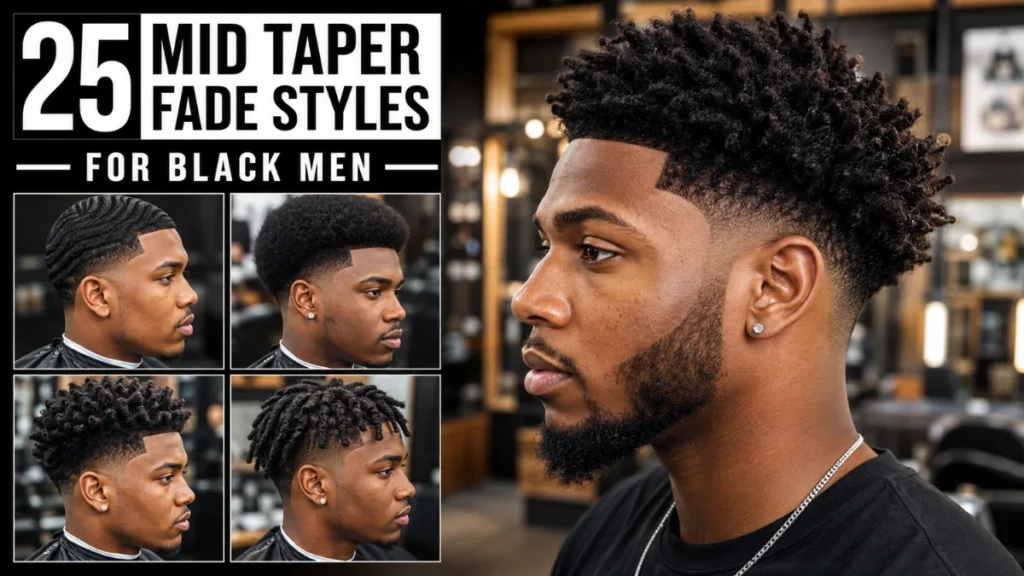
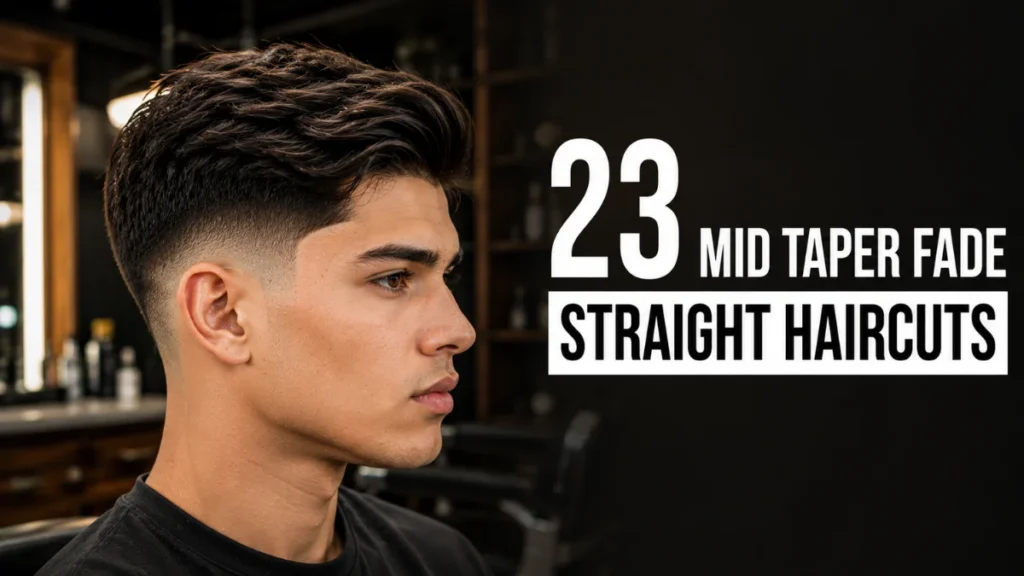
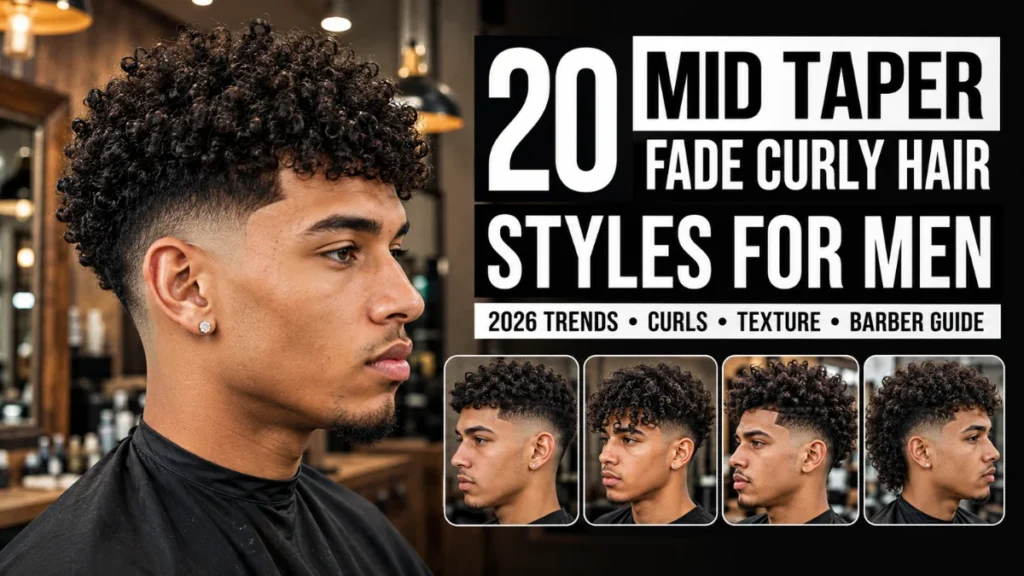
A mid taper fade buzz cut pairs a short, uniform-looking top with a controlled taper around the temples, sideburns, and neckline. It gives you the low-maintenance appeal of a buzz cut while keeping more definition around the edges than a completely uniform clipper cut.
The key is balance. The top should remain short enough to preserve the clean character of a buzz cut, while the taper should be placed carefully so it sharpens the haircut without making the sides look disconnected.
In 2026, short men’s cuts continue to benefit from personalization rather than a one-size-fits-all approach. For a buzz cut, that means choosing the top length, taper intensity, hairline finish, and sideburn treatment according to your head shape, hairline, density, and daily routine.
What Is a Mid Taper Fade Buzz Cut?
A mid taper fade buzz cut pairs a short, uniform length on top, typically a #1 to #4 clipper guard, with a taper that begins around the midpoint between the ear and temple and blends smoothly down toward the skin near the neckline and hairline. Unlike a mid taper paired with a fringe or a blowout, there’s little to no length difference to work with on top. The entire haircut is close to the scalp, and the fade is what gives it shape and dimension rather than any styled length.
This is the key distinction worth understanding before your appointment: a standard buzz cut is one uniform length all over, with no blending between sections. A mid taper fade buzz cut adds a graduated fade underneath that uniform top length, which is what separates a barbershop-quality result from a flat, all-over trim with clippers at home.
Why Combine a Buzz Cut With a Mid Taper?
A basic buzz cut is intentionally simple. Adding a taper gives the haircut more visual structure without turning it into a heavily faded style.
This combination can also help frame the face. The top remains short and practical while the tapered areas create a cleaner transition around the ears and neckline.
It is especially appealing if you want a haircut that looks neat with relatively little styling. There is no long top to blow-dry, shape, or manage with multiple products.
Mid Taper vs. Mid Fade on a Buzz Cut
The terms “taper” and “fade” are often used loosely, but they can produce different silhouettes.
A mid taper generally focuses the graduated shortening around the temples, sideburns, and neckline. A mid fade usually reduces more of the side panel, creating a stronger contrast between the short sides and the top.
| Feature | Mid Taper | Mid Fade |
|---|---|---|
| Main Transition | Temples, sideburns, neckline | Larger side area |
| Side Fullness | More preserved | More reduced |
| Overall Contrast | Moderate | Strong |
| Buzz-Cut Appearance | Natural and balanced | Sharper and bolder |
| Grow-Out | Softer | More noticeable |
| Maintenance | Moderate | Usually more frequent for a crisp finish |
If you specifically want the sides to retain some natural fullness, make that clear to your barber before the clippers come out.
25 Modern Mid Taper Fade Buzz Cut Styles for Men
The basic formula can be customized in several ways. Your ideal version depends on top length, hair texture, face shape, hairline, and how defined you want the taper to look.
1. Classic Mid Taper Buzz Cut
This is the straightforward version: short top, controlled taper, clean neckline, and a natural overall shape. It is a strong option if you want something simple enough for everyday wear but more refined than an all-over buzz.
2. Short Buzz With Mid Taper
Keeping the top extremely short creates a crisp, almost military-inspired appearance. Because there is little length to distract from the perimeter, the taper needs to be blended carefully. Small imperfections can become more noticeable when the entire haircut is this short.
3. Medium Buzz With Mid Taper
A slightly longer clipper length on top gives the haircut a softer appearance. It also leaves more room for subtle texture and creates a less severe contrast between the top and tapered areas.
4. Textured Buzz With Mid Taper
A textured buzz does not need to be perfectly uniform across the top. The barber can make subtle adjustments to the surface while maintaining the overall short shape. This works particularly well with thick hair that naturally has some variation.
5. Mid Taper Buzz With Line-Up
An edge-up can make the forehead and temple area look particularly crisp. The best line-up follows the natural hairline rather than forcing the corners backward simply to create a perfectly straight edge.
6. Natural Hairline Buzz
Instead of a sharp line-up, the barber can preserve the natural front hairline. This creates a softer result and allows the haircut to grow out more naturally.
7. Mid Taper Buzz With Beard
A beard adds weight around the lower face, so the transition from the sideburn to facial hair becomes especially important. The barber can shape the taper and beard together so they look like part of the same overall design.
8. Mid Taper Buzz With Short Beard
A short beard or heavy stubble keeps the overall look compact. This combination works well if you want facial hair without allowing it to overpower the simplicity of the buzz cut.
9. Mid Taper Buzz With Full Beard
A fuller beard creates stronger contrast with the short hair. The temple and sideburn area should be blended thoughtfully because an abrupt transition can make the haircut and beard appear visually separated.
10. Mid Taper Buzz With Hard Part
A shaved part can add a deliberate design element to an otherwise minimal haircut. Because the top is short, the part becomes highly visible, so placement should follow the natural direction of the hair.
11. Mid Taper Buzz With Temple Design
A subtle design around the temple can make the haircut more individual. This is a more fashion-forward variation and requires regular cleanup because shaved designs lose their definition as they grow.
12. Mid Taper Buzz With Skin Taper
The taper can be taken extremely short around selected areas for stronger contrast. This creates a cleaner, sharper appearance but also makes new growth more noticeable.
13. Mid Taper Buzz for Thick Hair
Thick hair is naturally well suited to a buzz because it can maintain a dense-looking surface even at short lengths. The barber should still consider how the hair grows across the crown because uneven growth patterns can affect the finished shape.
14. Mid Taper Buzz for Fine Hair
Fine hair can work with this style, but choosing the correct top length is important. Going excessively short may expose more scalp than you want. A slightly longer clipper guard can preserve a fuller visual appearance.
15. Mid Taper Buzz for Straight Hair
Straight hair gives the haircut a clean, consistent surface. The main challenge is making sure the top follows the shape of the head rather than appearing artificially flat.
16. Mid Taper Buzz for Wavy Hair
Wavy hair can give a short buzz subtle visual variation. Keeping enough length to preserve some of the natural pattern can create more dimension than an extremely close clipper cut.
17. Mid Taper Buzz for Curly Hair
Curly hair can produce a dense, textured surface even when kept short. The barber should account for the curl pattern and avoid assuming that wet or stretched length will match the final dry appearance.
18. Mid Taper Buzz for Coarse Hair
Coarse hair can create a strong, defined silhouette. The taper should be blended with attention to density because very short coarse hair can make transitions appear more pronounced.
19. Mid Taper Buzz for Receding Hairline
A short haircut can reduce the visual contrast between longer top hair and areas where the hairline has changed. However, the haircut does not stop or reverse hair loss. The best approach is to work with the existing hairline instead of attempting to create an artificial one.
20. Mid Taper Buzz With High-Contrast Line-Up
This version combines a very short top with a precise edge-up. The result is bold and clean, but the hairline should remain anatomically believable.
21. Mid Taper Buzz With Low-Contrast Finish
If you prefer something understated, keep the taper softer and avoid an aggressive skin finish. The result has the practicality of a buzz while maintaining a more natural transition around the sides.
22. Mid Taper Buzz With Longer Crown
The crown can be left slightly longer than the front and sides to preserve subtle shape. This works best when the difference is intentional and blends naturally into the surrounding hair.
23. Mid Taper Buzz With Clean Neckline
A carefully finished neckline can make a short haircut look more polished. Your barber can choose between a natural neckline and a sharper finish depending on how you want the haircut to grow out.
24. Mid Taper Buzz With Temple Fade Detail
A more noticeable temple transition creates extra contrast while keeping the rest of the haircut short. This is useful if you want the taper to be one of the main visual features rather than a subtle finishing detail.
25. Grown-Out Mid Taper Buzz
Allowing the top and taper to grow slightly creates a softer version of the style. This is useful if you want fewer barber visits or prefer a less freshly clipped appearance.
How Short Should the Buzz Cut Be?
There is no universal buzz-cut length. The correct clipper guard depends on your hair density, scalp visibility, head shape, hairline, and desired finish.
| Top Length | General Appearance |
|---|---|
| Very Short | Crisp and highly exposed |
| Short | Traditional, clean buzz |
| Medium-Short | Softer and fuller |
| Longer Buzz | More texture and flexibility |
If you are unsure, starting slightly longer is usually easier because your barber can remove additional length. Once the hair has been clipped shorter, there is no immediate way to put the length back.
Choosing the Right Guard Length
The clipper guard number matters, but the same guard can look different on different heads.
Dense, dark hair may appear fuller at the same length where fine hair shows more scalp. Hair texture also affects how the surface reflects light and how much dimension remains.
Ask your barber to recommend the guard based on your actual hair rather than choosing a number solely because you saw it on someone else.
Mid Taper Fade Buzz Cut for Different Face Shapes
The buzz cut exposes more of the head and face than longer hairstyles, so face shape and head shape deserve attention.
| Face Shape | Useful Approach |
|---|---|
| Oval | Most buzz lengths can work |
| Round | Keep some controlled length and definition |
| Square | Short, crisp versions can emphasize natural angles |
| Oblong | Avoid unnecessarily tall proportions |
| Diamond | Balance the sides and forehead |
| Heart | Consider moderate top length and softer edges |
These are guidelines rather than strict rules. Head shape, hairline, and personal preference can change the best choice.
Head Shape Matters More Than Most People Think
A very short haircut reveals the natural contours of the skull. If there are pronounced bumps, flat areas, or asymmetrical sections, a skilled barber can sometimes use slight differences in length to make the overall shape look more balanced.
This is one reason a buzz cut should not always be treated as simply “one guard everywhere.”
Mid Taper vs. Low Taper vs. High Taper Buzz Cut
Where the fade begins changes how bold the contrast reads against the buzzed top.
- A low taper buzz cut starts just above the ear, giving the most subtle, professional-leaning contrast. This is a safe choice for conservative workplaces or first-timers easing into a faded look.
- A mid taper buzz cut starts at the midpoint between the ear and temple, giving a balanced amount of contrast that works in nearly any setting.
- A high taper buzz cut climbs closer to the crown, producing the boldest, most defined contrast best suited to guys who want the fade itself to be a visible feature of the cut.
How to Ask Your Barber for a Mid Taper Buzz Cut?
A clear consultation prevents most misunderstandings.
Tell your barber:
- The approximate length you want on top.
- Whether you want a natural or sharp hairline.
- How noticeable you want the taper to be.
- How much side weight you want preserved.
- Whether you want the taper to reach skin level.
- How you want the neckline finished.
- Whether you wear a beard.
- Whether you want any design or part.
A useful request could be:
“Keep the top as a short, even buzz, but give me a mid taper around the temples, sideburns, and neckline. Keep some side structure instead of taking the fade too high, and keep the front hairline natural.”
If you want a very sharp result, tell the barber that separately rather than assuming “mid taper” automatically means a skin-close finish.
How a Barber Cuts a Mid Taper Fade Buzz Cut?
- Setting the top guard: The barber clips the top to a uniform guard length, most commonly a #2 or #3, depending on how much length you want to keep and how your hair sits naturally.
- Marking the taper starting point: The fade begins at the midpoint between the ear and temple, which the barber identifies before making the first pass with clippers.
- Working the fade down: Using a sequence of shorter guards (or clipper-over-comb for a freehand blend), the barber gradually reduces length from the taper’s starting point down to the skin near the hairline and neckline.
- Blending top and sides: This is the step that separates a clean mid taper fade buzz cut from a rough, choppy one. The barber blends the transition between the uniform top guard and the taper underneath so there’s no visible line where the two sections meet.
- Detailing the edges: A T-outliner or foil shaver defines the hairline, sideburns, and neckline for a crisp, finished look.
- Going over the grain: For the most even coverage, especially on thicker or coarser hair, a good barber will pass the clippers over the top guard twice: once with the direction of hair growth, once against it.
Mid Taper Buzz Cut vs. Traditional Buzz Cut
Both are short, but the perimeter treatment changes the appearance.
| Feature | Mid Taper Buzz | Traditional Buzz |
|---|---|---|
| Top | Short | Short |
| Temples | Gradually reduced | May remain similar length |
| Neckline | Tapered or refined | Often simpler |
| Side Structure | More customized | More uniform |
| Visual Definition | Higher | More minimal |
| Styling | Very low | Very low |
The mid taper version is useful if you like the simplicity of a buzz but want more attention paid to the perimeter.
Common Mistakes to Avoid
- Letting it grow out too long between trims, which causes the taper to lose its clean line and start looking like an ungroomed grow-out rather than an intentional style.
- Skipping the double-direction clipper pass on thick hair, which can leave faint uneven patches, especially in the crown area.
- Choosing too short a top guard on very fine or wavy hair, which can occasionally look thin or patchy compared to a slightly longer #3 or #4.
- Neglecting scalp care, since short hair exposes the scalp more than longer styles do, making dryness and sun exposure more noticeable issues.
Pros and Cons
| Advantages | Considerations |
|---|---|
| Very low styling requirement | Shows head shape more clearly |
| Clean perimeter | Taper requires precision |
| Works with many hair textures | Short length can expose scalp |
| Easy to maintain | Regrowth changes the shape quickly |
| Works well with beards | Limited styling options |
| Can suit different face shapes | Hairline becomes more visible |
FAQ
What is a mid taper fade buzz cut?
It is a short buzz-style haircut combined with a gradual taper around the middle temple, sideburn, and neckline areas. The top stays short while the perimeter receives additional shaping.
Is a mid taper better than a high fade for a buzz cut?
A mid taper preserves more side structure and creates a less aggressive silhouette. A high fade produces stronger contrast and exposes more of the side of the head.
Does a buzz cut hide a receding hairline?
A short cut can reduce the contrast between the hairline and the rest of the top, but it does not hide or treat hair loss. The haircut should be adapted to your existing hairline.
Is a mid taper buzz low-maintenance?
Yes, especially compared with longer hairstyles. You generally do not need daily styling, although maintaining the taper and short top requires periodic clipping.
Can I cut a mid taper buzz at home?
You can maintain a simple buzz yourself, but creating a clean taper is considerably more difficult. For the best result, have a barber establish the taper and use professional maintenance between appointments if needed.
What product should I use?
Most buzz cuts need little or no styling product. If you want a slight finish, use a lightweight grooming product rather than a heavy wax or pomade.
Is a mid taper buzz professional?
Yes. A clean, moderate version can look polished and appropriate in many professional environments. The level of formality depends on the hairline finish, taper sharpness, and any added design work.
Conclusion
A mid taper fade buzz cut gives you the simplicity of short hair while adding enough perimeter detail to make the haircut feel intentionally designed. The top stays practical, while the taper around the temples, sideburns, and neckline creates a cleaner silhouette.
The most important decision is not simply which clipper guard to use. Consider your hair density, scalp visibility, head shape, hairline, beard, and preferred level of maintenance before deciding how short to go.
For a modern 2026 finish, focus on proportion rather than excessive contrast. A well-placed taper, natural-looking hairline, and top length that suits your hair can make a basic buzz cut look considerably more refined without turning it into a high-maintenance hairstyle.